

Are Ring Carry Handles Resistant to Chemicals?
As a supplier of Ring Carry Handles, I've received numerous inquiries about their chemical resistance. This topic is of great importance, especially in industries where these handles come into contact with various substances. In this blog post, I'll delve into the factors that determine the chemical resistance of Ring Carry Handles, their performance in different chemical environments, and the implications for various applications.
Understanding Chemical Resistance in Ring Carry Handles
Before we explore the chemical resistance of Ring Carry Handles, it's essential to understand what chemical resistance means. Chemical resistance refers to the ability of a material to withstand the effects of chemicals without significant degradation in its physical or mechanical properties. When a ring carry handle comes into contact with a chemical, it may react in different ways, such as swelling, cracking, losing strength, or changing color.
The chemical resistance of Ring Carry Handles depends on several factors, including the material they are made of, the type of chemical they encounter, the duration of exposure, and the temperature and pressure conditions.
Material Composition
Most Ring Carry Handles are made from plastics, such as polyethylene (PE), polypropylene (PP), or polyvinyl chloride (PVC). Each of these materials has different chemical resistance profiles.
- Polyethylene (PE): PE is a versatile plastic known for its good chemical resistance to many non - polar solvents, acids, and bases. It has a high degree of flexibility and is resistant to water absorption. However, it may be susceptible to attack by some strong oxidizing agents or high - temperature solvents.
- Polypropylene (PP): PP offers excellent chemical resistance, similar to PE but with better resistance to higher temperatures. It is resistant to many common chemicals, including acids, bases, and organic solvents. PP is also lightweight and has good mechanical properties, making it a popular choice for ring carry handles.
- Polyvinyl Chloride (PVC): PVC has moderate chemical resistance. It is resistant to many acids, alkalis, and salts, but it may be affected by some organic solvents, especially those that can dissolve or swell the PVC matrix. PVC also contains additives, such as plasticizers, which can affect its chemical resistance.
Type of Chemicals
The chemical nature of the substances that Ring Carry Handles come into contact with plays a crucial role in determining their resistance. Chemicals can be classified into different categories, such as acids, bases, solvents, and oxidizing agents.
- Acids: Weak acids, such as acetic acid, may have little effect on PE and PP ring carry handles. However, strong acids, like sulfuric acid or nitric acid, can cause severe damage to many plastics, including PVC.
- Bases: Most common bases, such as sodium hydroxide, have a wide range of effects on different plastics. PP and PE generally have better resistance to bases compared to PVC.
- Solvents: Organic solvents, such as acetone, toluene, or chloroform, can dissolve or swell many plastics. Ring carry handles made from materials like PVC are particularly vulnerable to these solvents.
Exposure Duration and Conditions
The longer a ring carry handle is exposed to a chemical, the more likely it is to experience degradation. Additionally, high temperatures and pressures can accelerate the chemical reactions between the handle and the substance. For example, a Ring Carry Handle may be able to withstand a certain chemical at room temperature for a short period, but prolonged exposure at high temperatures can lead to significant damage.
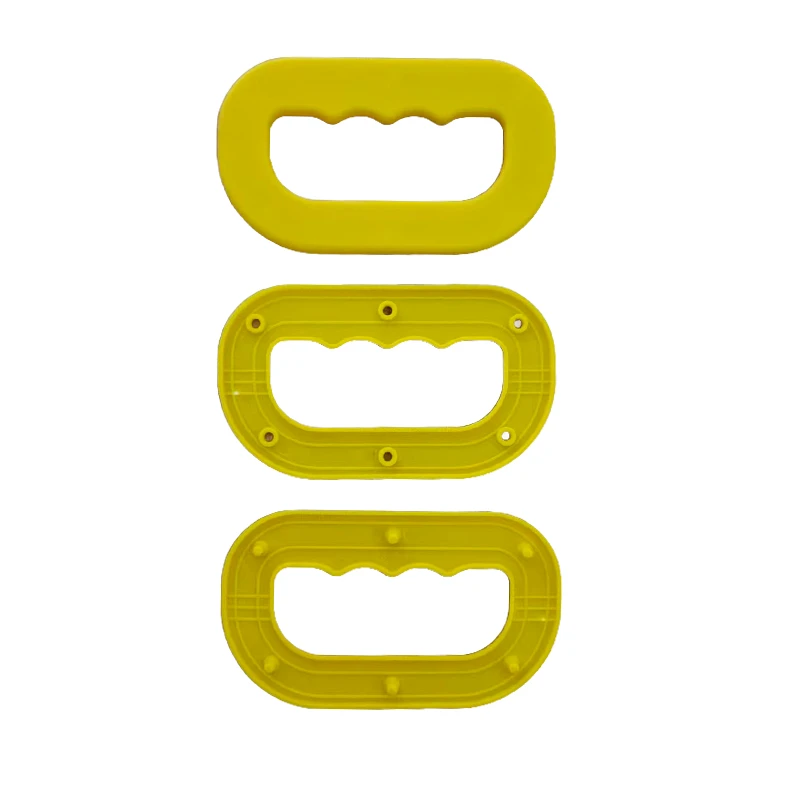

Performance of Ring Carry Handles in Different Chemical Environments
Food and Beverage Industry
In the food and beverage industry, Ring Carry Handles are commonly used for packaging products such as milk cartons, juice bottles, and snack bags. These handles are typically exposed to water - based substances, food additives, and mild cleaning agents.
Materials like PE and PP are ideal for this application because they are resistant to water, most food - grade chemicals, and mild detergents. They are also non - toxic and comply with food safety regulations. For example, when used for Packaging Bag Handle Buckles in the food industry, these handles can maintain their integrity and functionality over time.
Chemical and Industrial Applications
In chemical and industrial settings, Ring Carry Handles may be exposed to a wider range of chemicals, including strong acids, bases, and solvents. In these cases, the choice of material is critical.
For applications where the handles are likely to come into contact with aggressive chemicals, special - grade plastics or composite materials may be required. For example, some high - performance plastics can be engineered to have enhanced chemical resistance. However, these materials may be more expensive. When used for transporting chemicals in containers, the Ring Carry Handles need to be carefully selected to ensure their safety and durability.
Agricultural Applications
In the agricultural sector, Ring Carry Handles are used for packaging products such as fertilizers, pesticides, and seeds. These products often contain chemicals that can be corrosive or reactive.
PE and PP handles can generally withstand the chemicals in most agricultural products. For example, Rice Bag Handle Buckles made from these materials can resist the moisture and mild chemicals commonly found in rice storage and transportation.
Implications for Applications
The chemical resistance of Ring Carry Handles has significant implications for their applications. In industries where chemical exposure is a concern, the wrong choice of handle can lead to safety hazards, product failure, and increased costs.
- Safety: In chemical and industrial applications, a handle that is not chemically resistant can break or degrade during use, leading to spills and potential harm to workers or the environment. Choosing the right handle material can help prevent these accidents.
- Product Integrity: In the food and beverage industry, the integrity of the packaging is crucial. A handle that is damaged by chemicals can compromise the seal of the package, leading to spoilage or contamination of the product.
- Cost - Efficiency: Selecting a handle with appropriate chemical resistance can reduce the need for frequent replacements, thus saving costs in the long run.
Conclusion
In conclusion, the chemical resistance of Ring Carry Handles is a complex issue that depends on multiple factors, including material composition, type of chemicals, exposure duration, and environmental conditions. As a supplier, we offer a wide range of Ring Carry Handles made from different materials to meet the diverse needs of our customers.
If you are in need of Ring Carry Handles for your specific application, it is crucial to consider the chemical environment they will be exposed to. Our team of experts can provide you with detailed information and guidance on choosing the most suitable handle for your requirements. We are committed to providing high - quality products that meet the highest standards of chemical resistance and performance.
If you have any questions or would like to discuss your procurement needs, please feel free to reach out. We look forward to the opportunity to work with you and provide you with the best solutions for your packaging and handling requirements.
References
- "Plastic Materials and Their Properties" by John A. Brydson
- "Handbook of Chemical Resistance" by Carl A. Harper