

As a supplier of Colored Twill Webbing, I've often been asked about the potential applications of our product in various industries. One question that comes up frequently is whether colored twill webbing can be used in the automotive industry. In this blog post, I'll explore the possibilities and benefits of using colored twill webbing in automotive applications.
Understanding Colored Twill Webbing
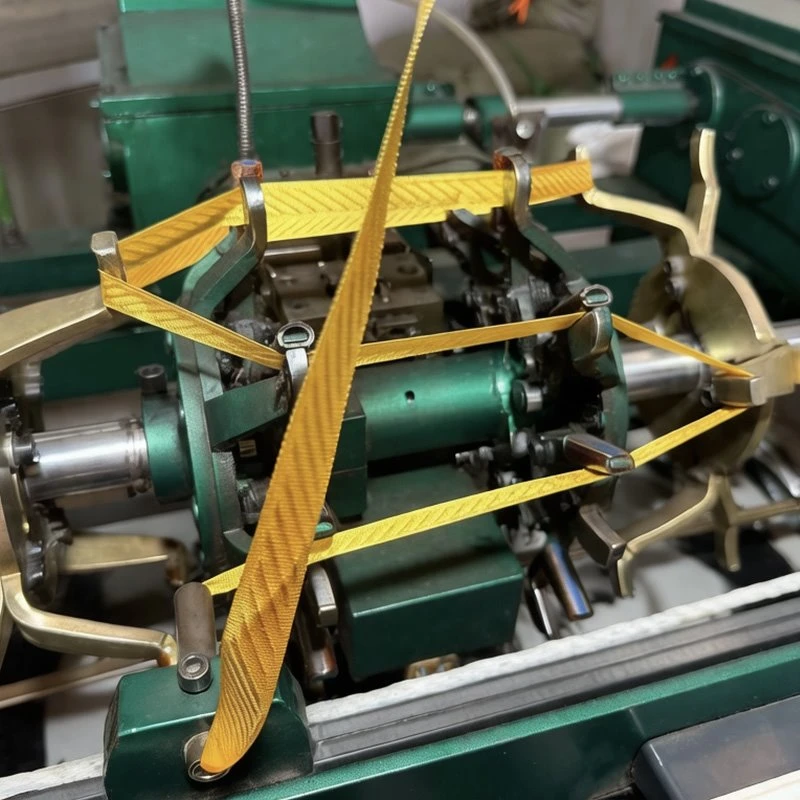
Before delving into its automotive applications, let's first understand what colored twill webbing is. Colored twill webbing is a type of fabric made using a twill weave pattern. This pattern creates a diagonal ribbed texture, which gives the webbing strength, durability, and a unique appearance. The webbing can be made from various materials, including nylon and polyester, each offering distinct advantages.
Nylon Twill Webbing is known for its high strength, elasticity, and resistance to abrasion. It can withstand heavy loads and is often used in applications where durability is crucial. On the other hand, Polyester Twill Webbing is valued for its excellent color retention, UV resistance, and low stretch. It is a popular choice for outdoor applications and where colorfastness is important.
The ability to produce colored twill webbing in a wide range of colors adds to its versatility. This allows for customization and aesthetic appeal, making it suitable for various design requirements.
Potential Applications in the Automotive Industry
Interior Trim and Decoration
One of the most obvious applications of colored twill webbing in the automotive industry is for interior trim and decoration. The webbing can be used to add a pop of color or a decorative touch to the seats, door panels, dashboard, and other interior components. For example, colored twill webbing can be used as edging or piping on seats, creating a more stylish and finished look. It can also be used to create patterns or accents on door panels, adding a unique and personalized touch to the vehicle's interior.
Storage and Organization
Colored twill webbing can also be used for storage and organization in the automotive interior. It can be used to create straps or ties for securing items such as toolboxes, sports equipment, or luggage. The webbing's strength and adjustability make it an ideal choice for this purpose. Additionally, the ability to choose from a variety of colors allows the webbing to blend in with the interior design or stand out as a functional and stylish element.
Safety and Restraint Systems
In some cases, colored twill webbing can be used in safety and restraint systems. While it may not be used as the primary seatbelt material, it can be incorporated into secondary safety features such as cargo nets or child seat harnesses. The webbing's strength and durability ensure that it can withstand the forces involved in securing items or restraining passengers in the event of a sudden stop or collision.
Exterior Applications
Although less common, colored twill webbing can also have exterior applications in the automotive industry. It can be used as a decorative element on the exterior of the vehicle, such as on the grille, side mirrors, or door handles. The webbing's resistance to UV rays and weather conditions makes it suitable for outdoor use, adding a unique and eye-catching detail to the vehicle's appearance.
Benefits of Using Colored Twill Webbing in the Automotive Industry
Aesthetic Appeal
One of the main benefits of using colored twill webbing in the automotive industry is its aesthetic appeal. The wide range of colors available allows for customization and the ability to create a unique and personalized look for the vehicle. Whether it's adding a subtle accent or making a bold statement, colored twill webbing can enhance the overall appearance of the vehicle's interior and exterior.
Durability and Strength
Colored twill webbing is known for its durability and strength. It can withstand the rigors of daily use in the automotive environment, including abrasion, stretching, and exposure to various chemicals and fluids. This makes it a reliable choice for applications where long-term performance is required.
Customization and Flexibility
As a supplier, we offer a high degree of customization options for colored twill webbing. We can produce webbing in different widths, thicknesses, and colors to meet the specific requirements of our customers. This flexibility allows automotive manufacturers and designers to incorporate the webbing into their products in a way that best suits their design and functionality needs.
Cost-Effectiveness
Compared to some other materials used in the automotive industry, colored twill webbing is a cost-effective solution. It offers a good balance between performance and price, making it an attractive option for manufacturers looking to add value to their products without breaking the bank.

Challenges and Considerations
While there are many potential benefits to using colored twill webbing in the automotive industry, there are also some challenges and considerations that need to be addressed.
Compatibility with Automotive Materials
The webbing must be compatible with other materials used in the automotive interior and exterior. This includes ensuring that it does not cause any chemical reactions or damage to adjacent materials. Additionally, the webbing must be able to withstand the temperature and humidity conditions typically found in a vehicle.
Safety Standards and Regulations
When using colored twill webbing in safety and restraint systems, it must meet the relevant safety standards and regulations. This includes testing for strength, flammability, and other performance criteria. It is important to work with a supplier who has experience in producing webbing for automotive applications and can ensure that the product meets the necessary requirements.
Design and Integration
Integrating colored twill webbing into the automotive design requires careful consideration. The webbing must be designed to fit seamlessly into the overall aesthetic and functionality of the vehicle. This may involve working closely with automotive designers and engineers to ensure that the webbing is used in the most effective and visually appealing way.
Conclusion
In conclusion, colored twill webbing has significant potential for use in the automotive industry. Its aesthetic appeal, durability, customization options, and cost-effectiveness make it an attractive choice for a variety of applications, including interior trim, storage, safety systems, and exterior decoration. However, it is important to address the challenges and considerations associated with using the webbing in an automotive environment, such as compatibility with other materials, safety standards, and design integration.
As a supplier of Colored Twill Webbing, we are committed to providing high-quality products that meet the needs of our customers in the automotive industry. If you are interested in exploring the use of colored twill webbing in your automotive applications, we would be happy to discuss your requirements and provide you with samples and technical support. Contact us today to start a conversation about how our colored twill webbing can enhance your automotive products.
References
- Textile Institute. (Year). Handbook of Textile Weaving.
- Automotive Industry Standards Organization. (Year). Safety Standards for Automotive Interior Materials.