

When it comes to industrial materials, nylon dense webbing stands out as a versatile and highly useful product. As a leading supplier of Nylon Dense Webbing, we often receive inquiries about its sewability. In this blog post, we'll explore the factors that affect the ease of sewing nylon dense webbing and provide some practical tips for working with this material.
Understanding Nylon Dense Webbing
Nylon dense webbing is a type of fabric made from nylon fibers woven tightly together. This results in a strong, durable, and flexible material that is commonly used in various applications, including packaging, outdoor gear, and industrial equipment. The tight weave of nylon dense webbing gives it excellent strength and abrasion resistance, making it suitable for heavy-duty use.
One of the key advantages of nylon dense webbing is its high tensile strength. Nylon fibers are known for their ability to withstand significant pulling forces without breaking, which makes nylon dense webbing ideal for applications where strength is crucial. Additionally, nylon is resistant to moisture, mildew, and chemicals, ensuring that the webbing maintains its integrity even in harsh environments.
Factors Affecting Sewability
While nylon dense webbing offers numerous benefits, its sewability can be influenced by several factors. Understanding these factors is essential for achieving successful sewing results.
1. Webbing Thickness
The thickness of nylon dense webbing plays a significant role in its sewability. Thicker webbing generally requires more effort to sew through, as the needle needs to penetrate multiple layers of tightly woven fibers. This can put additional strain on the sewing machine and may require a stronger needle and higher sewing speed settings.
On the other hand, thinner webbing is generally easier to sew, as it offers less resistance to the needle. However, thinner webbing may also be more prone to fraying, so it's important to take appropriate measures to prevent this, such as using a serger or applying a fray - stop solution.
2. Weaving Pattern
The weaving pattern of nylon dense webbing can also affect its sewability. Different weaving patterns result in varying degrees of tightness and flexibility. For example, a plain weave pattern may be easier to sew through compared to a twill or a herringbone weave, as the fibers in a plain weave are more evenly distributed and offer less resistance to the needle.
In some cases, complex weaving patterns may cause the needle to deviate from its path, leading to uneven stitches or skipped stitches. To overcome this issue, it may be necessary to adjust the sewing machine's settings or use a specialty needle designed for sewing through dense fabrics.
3. Thread Quality
The quality of the thread used for sewing nylon dense webbing is crucial. A high - quality thread that is strong and durable is essential to ensure that the stitches hold up well under stress. Nylon or polyester threads are often recommended for sewing nylon webbing, as they offer good strength and resistance to abrasion.
The thickness of the thread also matters. A thicker thread may be more suitable for sewing thicker webbing, as it can provide stronger stitches. However, using a thread that is too thick may cause the stitches to be bulky and may also put additional strain on the sewing machine.
Tips for Sewing Nylon Dense Webbing
Based on our experience as a supplier, here are some practical tips for sewing nylon dense webbing:
1. Choose the Right Needle
Selecting the appropriate needle is crucial for successful sewing. For nylon dense webbing, a sharp, heavy - duty needle is recommended. A size 16 or 18 needle is often suitable for thicker webbing, while a size 14 needle may be sufficient for thinner webbing. Using a needle that is too small may cause the needle to break or skip stitches, while a needle that is too large may create holes that are too big and weaken the webbing.
2. Adjust the Sewing Machine Settings
Before starting to sew, it's important to adjust the sewing machine settings according to the thickness and type of webbing. Increase the sewing machine's tension slightly to ensure that the stitches are tight and secure. You may also need to adjust the stitch length. A shorter stitch length is generally better for sewing nylon dense webbing, as it provides more stitches per inch and increases the strength of the seam.
3. Use a Backstitch
To prevent the stitches from coming undone, always start and end your sewing with a backstitch. This involves sewing a few stitches in reverse at the beginning and end of the seam. Backstitching helps to lock the stitches in place and ensures that the seam remains secure.
4. Consider Using a Walking Foot
A walking foot is a specialty sewing machine foot that can be very useful when sewing nylon dense webbing. It helps to feed the fabric evenly through the machine, preventing the webbing from bunching up or slipping. This is especially important when sewing multiple layers of webbing or when working with thick, heavy - duty webbing.
Applications of Nylon Dense Webbing
Nylon dense webbing is used in a wide range of applications. In the packaging industry, it is commonly used for strapping and securing packages. Its high strength and durability make it an ideal choice for ensuring that packages are transported safely.
In the outdoor gear industry, nylon dense webbing is used in the production of backpacks, hiking gear, and camping equipment. The webbing is used for straps, belts, and reinforcements, providing the necessary strength and flexibility to withstand the rigors of outdoor activities.
Industrial applications of nylon dense webbing include the manufacturing of conveyor belts, safety harnesses, and load - securing systems. Its resistance to wear, tear, and chemicals makes it suitable for use in harsh industrial environments.
Related Products
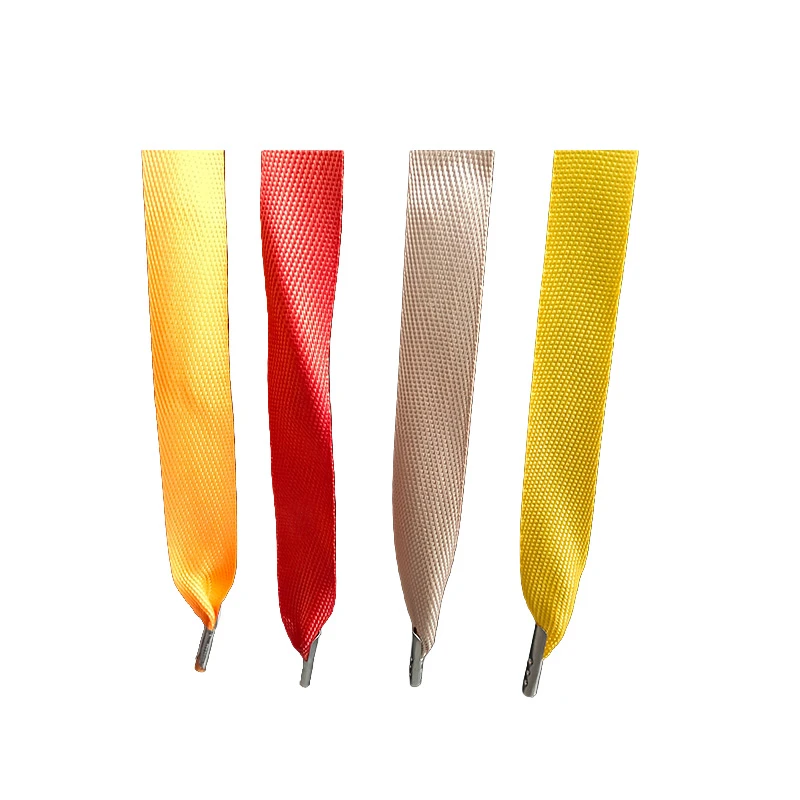
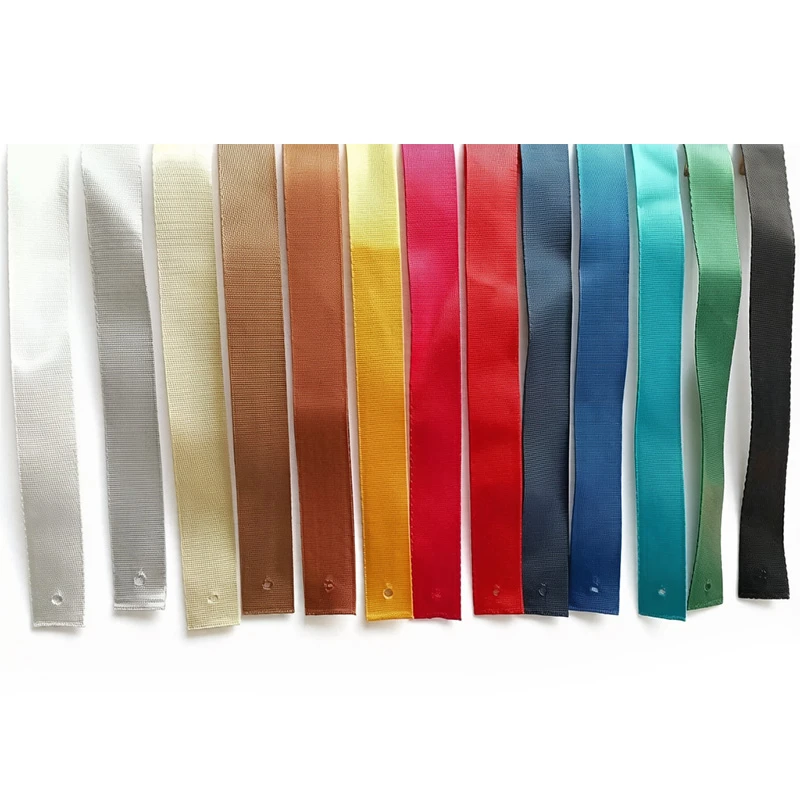
In addition to Nylon Dense Webbing, we also offer other types of dense webbing, such as Polyester Tight Weave Webbing and Colored Dense Webbing. Polyester tight weave webbing offers similar properties to nylon webbing, such as high strength and abrasion resistance, but may have different characteristics in terms of moisture absorption and UV resistance. Colored dense webbing, on the other hand, provides the added aesthetic appeal, making it suitable for applications where appearance is also important.
Contact Us for Procurement
If you're considering using nylon dense webbing or any of our other dense webbing products in your projects, our team is ready to assist you. We offer high - quality products at competitive prices and can provide customized solutions based on your specific requirements. Whether you need a small quantity for a prototype or a large volume for mass production, we can meet your needs.
Contact us today to discuss your procurement needs and explore how our nylon dense webbing and related products can enhance your applications. We look forward to working with you and helping you achieve the best results.
References
- "Textile Materials and Their Selection: For Engineers and Designers" by David J. Soutar.
- "Nylon: Properties, Processing, and Applications" by L. C. Sawyer and P. C. Tucker.