

Do plastic handles have a specific smell? As a seasoned supplier in the plastic handle industry, I've encountered numerous inquiries regarding the olfactory aspects of our products. This blog post aims to dissect the question thoroughly, shedding light on whether plastic handles possess a distinct smell, the factors influencing it, and how we, as a supplier, address these concerns.
The Nature of Plastic and Odor
Plastics are synthetic polymers derived from petrochemicals, and their composition plays a pivotal role in determining whether they emit a smell. Different types of plastics have varying chemical structures, which in turn can lead to different odor profiles. For instance, polyvinyl chloride (PVC) is known to have a more pungent smell compared to polyethylene (PE) or polypropylene (PP). This is because PVC contains additives such as plasticizers, stabilizers, and pigments, which can contribute to the release of volatile organic compounds (VOCs). These VOCs are the primary culprits behind the characteristic smell associated with some plastics.
In the context of plastic handles, the manufacturing process also significantly impacts the odor. During extrusion, injection molding, or other forming processes, heat is applied to the plastic resin. This can cause the breakdown of some chemical bonds and the release of small amounts of gases. Additionally, if the manufacturing equipment is not properly cleaned or maintained, it can contaminate the plastic handles with residual substances from previous production runs, leading to an unpleasant smell.
Our Product Range and Odor Considerations
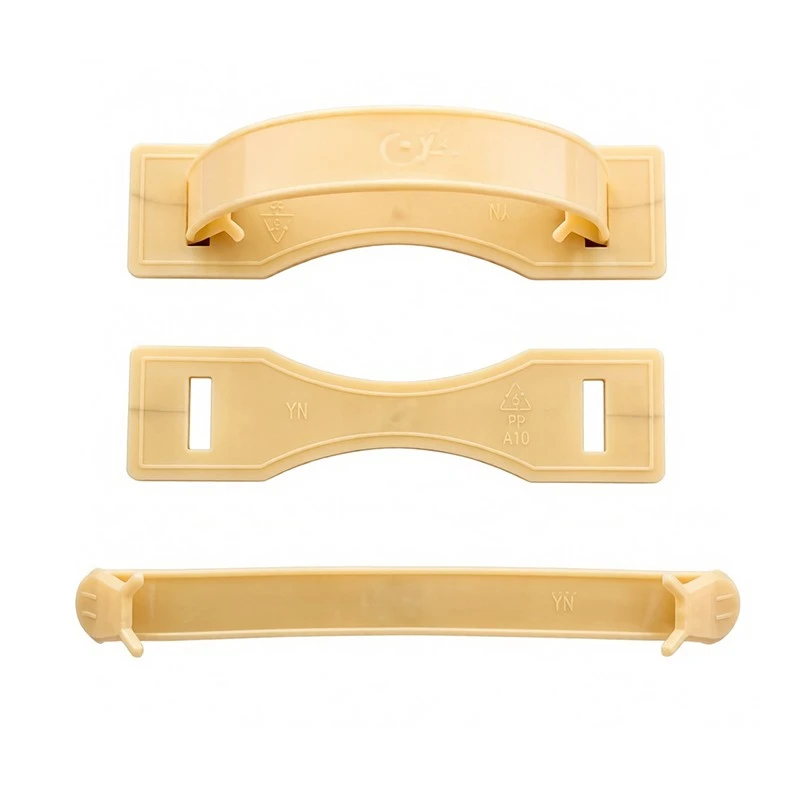
At our company, we offer a diverse range of plastic handles to meet the needs of various industries. Our product portfolio includes Machine Threaded Connected Carry Handles, Regular Plastic Carry Handles, Heavy Duty Plastic Carrying Handle, Standard Color Carton Handles, and Plastic Handy Handle.
We understand that odor can be a critical concern for our customers, especially in applications where the plastic handles come into close contact with food, pharmaceuticals, or sensitive electronic devices. Therefore, we take several measures to minimize the odor of our plastic handles. Firstly, we source high-quality plastic resins from reputable suppliers. These resins are carefully selected for their low VOC content and compliance with relevant safety standards. We also conduct strict quality control checks on the raw materials to ensure that they meet our specifications.
Secondly, we optimize our manufacturing processes to reduce the generation of heat and the release of gases. This includes adjusting the temperature, pressure, and molding time to ensure that the plastic handles are formed under the most favorable conditions. Additionally, we invest in state-of-the-art equipment and regularly maintain and clean it to prevent contamination.
Addressing Odor Concerns in Different Applications
The acceptability of odor in plastic handles varies depending on the application. In some industrial applications, a slight odor may be tolerable as long as it does not affect the performance or safety of the handles. However, in applications such as food packaging or medical devices, even a faint odor can be a deal-breaker.

For food packaging applications, we use food-grade plastics that are specifically designed to be odorless and tasteless. These plastics are compliant with food safety regulations and are rigorously tested to ensure that they do not leach any harmful substances into the food. We also offer custom packaging solutions to further minimize the exposure of the plastic handles to the food.
In the case of medical devices, we adhere to strict regulatory requirements regarding the use of plastics. Our plastic handles are made from biocompatible materials that are free from any potential contaminants or odors that could pose a risk to patients. We work closely with our customers to understand their specific needs and provide them with the most suitable plastic handle solutions.
Customer Feedback and Continuous Improvement
We value the feedback from our customers and use it as an opportunity for continuous improvement. Over the years, we have received positive feedback from many customers regarding the low odor of our plastic handles. However, we also understand that there is always room for improvement.
To further enhance the odor characteristics of our plastic handles, we are constantly researching and developing new materials and manufacturing processes. We are exploring the use of natural or recycled plastics, which have the potential to reduce the environmental impact and also minimize odor. We are also collaborating with research institutions and industry partners to stay at the forefront of technological advancements in the plastic handle industry.
Conclusion and Call to Action
In conclusion, while some plastic handles may have a specific smell, it is possible to minimize or eliminate this odor through careful material selection and process optimization. As a leading plastic handle supplier, we are committed to providing our customers with high-quality, odor-free products that meet their specific needs.
If you are in the market for plastic handles and have any questions or concerns about odor, we encourage you to contact us. Our team of experts is ready to assist you in selecting the most suitable plastic handle solutions for your application. We look forward to the opportunity to work with you and contribute to the success of your business.
References
- [1] ASTM International. Standard Test Methods for Determining Odor in Polymeric Materials. ASTM D5504 - 12(2017).
- [2] European Food Safety Authority. Scientific Opinion on Flavourings and Source Materials in Flavourings. EFSA Journal 2009; 7(4): 1063.
- [3] Medical Device Single Audit Program (MDSAP). MDSAP Requirements for Medical Device Manufacturing.