

Dense webbing is a material that's used in a wide variety of applications, from packaging to fashion. One question that often pops up is whether dense webbing can resist water. As a supplier of dense webbing, I've got some insights to share on this topic.
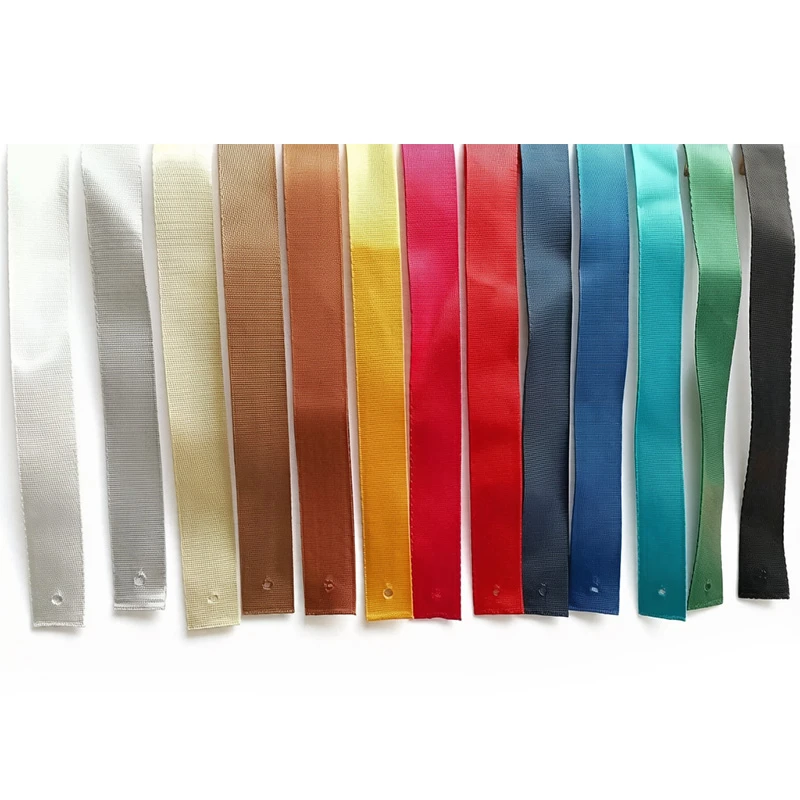
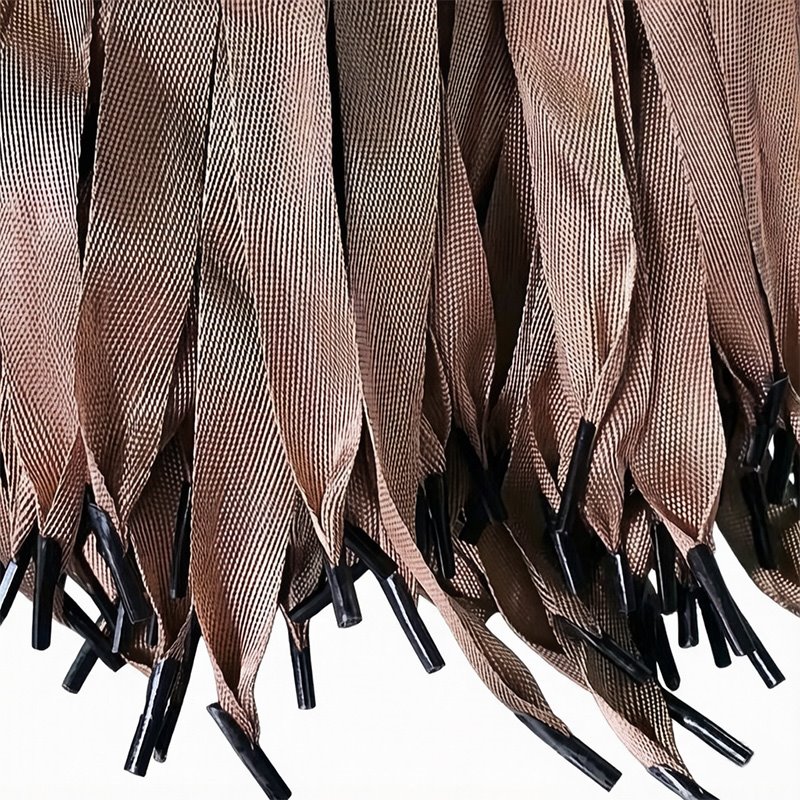
Let's start by understanding what dense webbing actually is. Dense webbing is a type of fabric that's tightly woven, which gives it strength and durability. There are different types out there, like Colored Dense Webbing, Nylon Dense Webbing, and Polyester Tight Weave Webbing. Each type has its own unique properties, and these properties play a big role in how well it resists water.
Factors Affecting Water Resistance
Material Composition
The material the webbing is made from is a major factor. For example, nylon and polyester are two commonly used materials. Nylon is known for being strong and having good moisture absorption properties. When it comes to water resistance, nylon can absorb some water, but it also dries relatively quickly. On the other hand, polyester is more hydrophobic. It doesn't absorb water as easily as nylon, which means it has better natural water - resistance. So, if you're looking for dense webbing that can resist water, polyester might be a better choice right off the bat.
Weave Pattern
The tightness of the weave is another key aspect. In dense webbing, the fibers are woven closely together. A tighter weave creates fewer gaps between the fibers, which makes it harder for water to penetrate. But it's not just about the tightness; the weave pattern also matters. Some patterns are more effective at blocking water due to the way the fibers intersect and overlap. For instance, a basket - weave pattern might provide better water - resistance compared to a simple plain weave because it creates more of a barrier.
Coating and Treatments
Many manufacturers apply coatings or treatments to dense webbing to enhance its water - resistance. These can include things like waterproof sprays, lamination, or impregnation with waterproofing agents. A waterproof spray can create a thin film on the surface of the webbing that repels water. Lamination involves attaching a waterproof layer to the webbing, which can be very effective but might also add some weight and stiffness. Impregnation means the waterproofing agent is soaked into the fibers, which can provide long - lasting protection.
Testing Water Resistance
Simple Home Tests
You can do some simple tests at home to get an idea of how well your dense webbing resists water. One way is to pour a small amount of water on the webbing and see how it behaves. If the water beads up and rolls off, the webbing has good water - repellency. On the other hand, if the water soaks in quickly, it means the webbing has poor water resistance. Another test is to submerge a small piece of the webbing in water for a short period and then check how wet it gets. If it only gets slightly damp on the surface, it's a good sign.
Professional Testing
In a more professional setting, there are standardized tests to measure water resistance. One common test is the hydrostatic head test. In this test, a sample of the webbing is placed under a column of water, and the pressure at which water starts to penetrate the webbing is measured. The higher the hydrostatic head, the better the water - resistance of the webbing.
Applications and Requirements
Packaging
In the packaging industry, water resistance is crucial, especially for products that need to be protected from moisture during storage or transportation. Dense webbing used for bundling or securing packages should have good water - resistance to prevent damage to the contents. For example, if you're using dense webbing to tie down boxes that are going to be stored in a damp warehouse, you want the webbing to stay strong and not rot or lose its strength due to water exposure.
Outdoor Gear
Outdoor gear like backpacks, tents, and climbing harnesses often use dense webbing. In these applications, the webbing needs to withstand rain, snow, and other forms of moisture. A backpack with water - resistant webbing will last longer and keep its contents dry. Similarly, a climbing harness made from water - resistant webbing is safer because it won't weaken when exposed to wet conditions.
Fashion and Accessories
Even in the fashion industry, water resistance can be a plus. Belts, straps, and other accessories made from dense webbing can benefit from being water - resistant. This means they won't get ruined if they get wet accidentally, and they'll look good for longer.
Our Offerings
As a dense webbing supplier, we understand the importance of water resistance in different applications. That's why we offer a range of products with varying levels of water - resistance. Our Colored Dense Webbing comes in a variety of colors and can be treated to enhance its water - repellency. The Nylon Dense Webbing we supply is strong and can be made more water - resistant through special coatings. And our Polyester Tight Weave Webbing already has good natural water - resistance, which can be further improved with additional treatments.
If you're in the market for dense webbing and water resistance is a key factor for your application, we're here to help. We can work with you to understand your specific needs and recommend the right type of webbing. Whether you need a small quantity for a DIY project or a large - scale order for an industrial application, we've got you covered.
Contact Us for Procurement
If you're interested in learning more about our dense webbing products and their water - resistance capabilities, don't hesitate to reach out. We're always happy to have a chat about your requirements and see how we can meet them. Whether you're a business looking to source webbing for your products or an individual with a special project, we're here to assist you with your procurement needs.
References
- "Textile Science: Principles and Applications" by a well - known textile author.
- Industry reports on dense webbing and its properties.