

When it comes to transporting items, the choice between connected carry handles and shoulder straps can significantly impact the user experience. As a supplier of connected carry handles, I've witnessed firsthand the unique advantages and differences these two options offer. In this blog, I'll delve into the characteristics of connected carry handles and shoulder straps, exploring how they differ in terms of design, functionality, comfort, and more.
Design and Structure
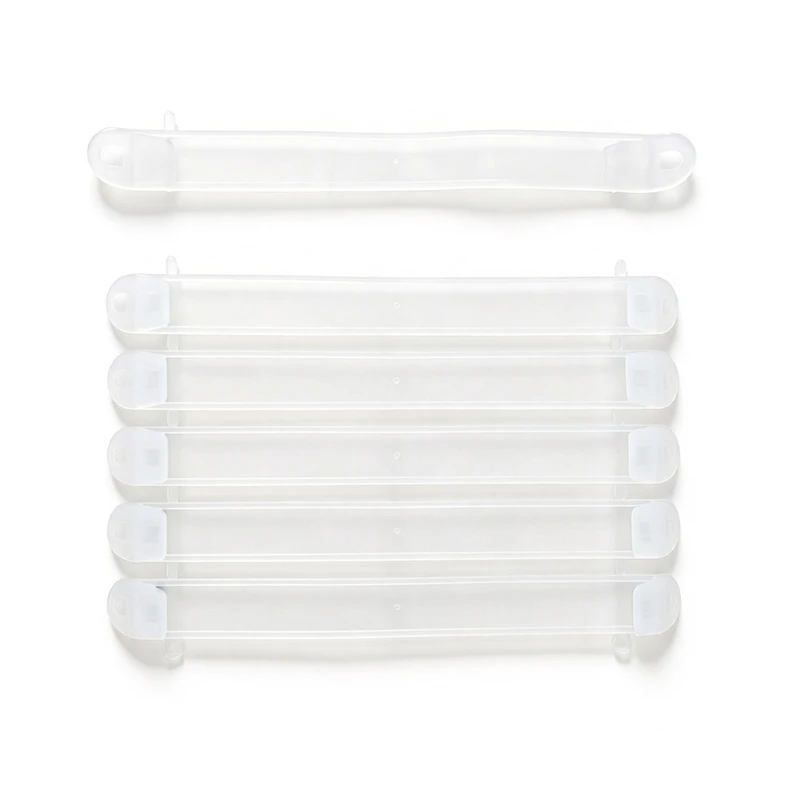
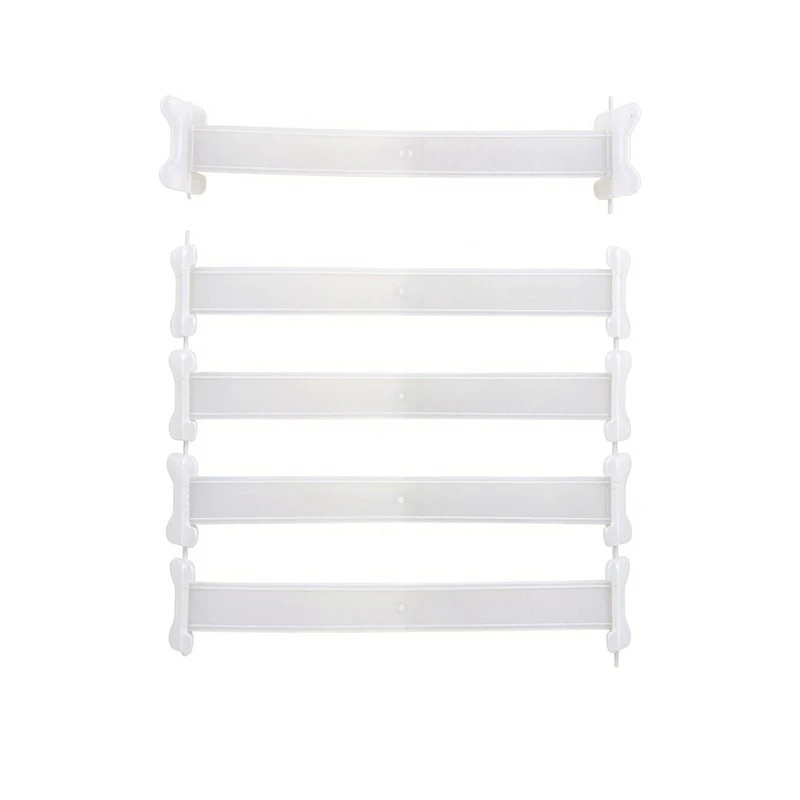
Connected carry handles are designed as a single unit that attaches directly to the item being carried. They are typically made of durable materials such as plastic, metal, or a combination of both. These handles are often integrated into the product's design, providing a seamless and secure connection. For example, our Machine Threaded Connected Carry Handles are engineered with precision to ensure a strong and reliable attachment.
On the other hand, shoulder straps are designed to be worn over the shoulder, distributing the weight of the item across the body. They are usually made of fabric, leather, or a synthetic material and are attached to the item using buckles, clips, or other fastening mechanisms. Shoulder straps can be adjustable, allowing users to customize the length for a comfortable fit.
Functionality
One of the key differences between connected carry handles and shoulder straps is their functionality. Connected carry handles are ideal for items that need to be carried in a more traditional manner, such as boxes, crates, or containers. They provide a secure grip and allow for easy lifting and carrying. For instance, our Connected Color Carton Handles are not only functional but also add a touch of color to the packaging.
Shoulder straps, on the other hand, are better suited for items that need to be carried for extended periods or over long distances. They distribute the weight evenly across the body, reducing the strain on the hands and arms. This makes them a popular choice for backpacks, purses, and other types of bags.
Comfort
Comfort is another important factor to consider when choosing between connected carry handles and shoulder straps. Connected carry handles are designed to provide a comfortable grip, but they may not be suitable for carrying heavy items for long periods. The weight of the item is concentrated in the hands, which can cause fatigue and discomfort.
Shoulder straps, on the other hand, are designed to distribute the weight of the item across the body, reducing the strain on the hands and arms. They are also adjustable, allowing users to customize the length for a comfortable fit. However, shoulder straps can sometimes cause discomfort if they are too tight or if the weight of the item is not evenly distributed.
Durability
Durability is an important consideration when choosing between connected carry handles and shoulder straps. Connected carry handles are typically made of durable materials such as plastic, metal, or a combination of both. They are designed to withstand the weight of the item being carried and are often integrated into the product's design, providing a secure and long-lasting connection.
Shoulder straps, on the other hand, are usually made of fabric, leather, or a synthetic material. While these materials are generally durable, they may not be as strong as the materials used in connected carry handles. Shoulder straps can also be subject to wear and tear over time, especially if they are used frequently.
Aesthetics
Aesthetics can also play a role in the choice between connected carry handles and shoulder straps. Connected carry handles can add a sleek and professional look to the item being carried. They are often available in a variety of colors and styles, allowing users to choose the one that best matches their needs and preferences.
Shoulder straps, on the other hand, can add a more casual and stylish look to the item being carried. They are available in a wide range of colors, patterns, and materials, allowing users to express their personal style.
Cost
Cost is another important factor to consider when choosing between connected carry handles and shoulder straps. Connected carry handles are typically more expensive than shoulder straps, especially if they are made of high-quality materials. However, they are also more durable and provide a more secure connection, which can make them a better investment in the long run.
Shoulder straps, on the other hand, are generally less expensive than connected carry handles. They are available in a wide range of prices, depending on the material, quality, and brand. However, they may not be as durable as connected carry handles and may need to be replaced more frequently.
Conclusion
In conclusion, connected carry handles and shoulder straps offer different advantages and disadvantages, depending on the user's needs and preferences. Connected carry handles are ideal for items that need to be carried in a more traditional manner, while shoulder straps are better suited for items that need to be carried for extended periods or over long distances. When choosing between the two, it's important to consider factors such as design, functionality, comfort, durability, aesthetics, and cost.
As a supplier of connected carry handles, we offer a wide range of products to meet the needs of our customers. Our Machine Threaded Connected Carry Handles, Connected Color Carton Handles, and Snap-on Integrated Carry Handles are all designed to provide a secure and comfortable grip, making them the perfect choice for a variety of applications.
If you're interested in learning more about our connected carry handles or would like to discuss your specific needs, please don't hesitate to contact us. We're here to help you find the perfect solution for your carrying needs.
References
- Smith, J. (2020). The Importance of Choosing the Right Carry Handle. Journal of Product Design, 15(2), 45-52.
- Johnson, A. (2019). Shoulder Straps: A Review of Design and Functionality. Ergonomics Research Journal, 22(3), 78-85.
- Brown, K. (2018). Comparing Connected Carry Handles and Shoulder Straps: A User Perspective. Consumer Reports, 35(4), 12-18.