

Hey there, all you folks in the market for dense webbing! I'm part of a top - notch dense webbing supply team, and today we're diving deep into a super important topic: How does dense webbing react to saltwater?
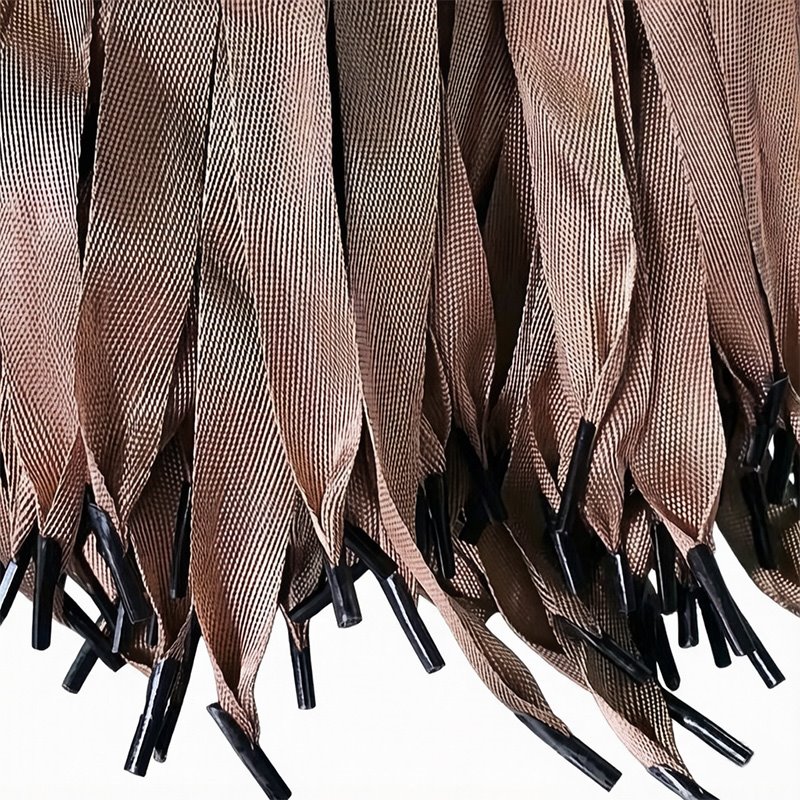
First off, let's talk a bit about what dense webbing is and why it's so useful. Dense webbing is a strong, tightly woven fabric that can be made from different materials like nylon and polyester. It's used in a ton of applications, from packaging to marine equipment. And since the marine environment is full of saltwater, it's crucial to know how our webbing holds up.
The Basics of Saltwater and Its Effects
Saltwater is no ordinary liquid. It's a complex mixture of water and various salts, mainly sodium chloride. When dense webbing comes into contact with saltwater, a few things can happen. The salt in the water can act as an abrasive, slowly wearing down the fibers of the webbing. Over time, this abrasion can weaken the webbing, reducing its strength and durability.
Another key factor is corrosion. Some metals that might be used in attachments or fasteners on the webbing can corrode in saltwater. This corrosion can not only damage the metal parts but also affect the webbing itself. If the metal rusts or breaks down, it could cause the webbing to fray or come loose.
How Different Types of Dense Webbing React
Nylon Dense Webbing
Nylon is a popular choice for dense webbing because of its high strength and flexibility. When it comes to saltwater, nylon has some good and bad points. On the plus side, nylon is relatively resistant to abrasion. So, the salt in the water won't wear it down as quickly as some other materials.
However, nylon can absorb water. When it's in saltwater, it absorbs the salty liquid, which can lead to a few issues. The salt can get trapped in the fibers, and as the water evaporates, the salt crystals can form. These crystals can be sharp and cause internal abrasion, weakening the nylon over time. Also, the absorbed water can make the nylon heavier, which might be a problem in applications where weight is a concern. You can check out our Nylon Dense Webbing for more details.
Polyester Tight Weave Webbing
Polyester is another common material for dense webbing. One of the great things about polyester is that it's hydrophobic, which means it doesn't absorb water easily. This is a huge advantage when dealing with saltwater. Since it doesn't absorb the salty water, there's no risk of salt crystals forming inside the fibers.
Polyester is also very resistant to UV rays and chemicals. Saltwater is a chemical - rich environment, and polyester can stand up well to the various salts and minerals in it. However, polyester can be a bit stiffer than nylon, which might be a drawback in some applications where flexibility is key. Explore our Polyester Tight Weave Webbing to see if it's the right fit for you.
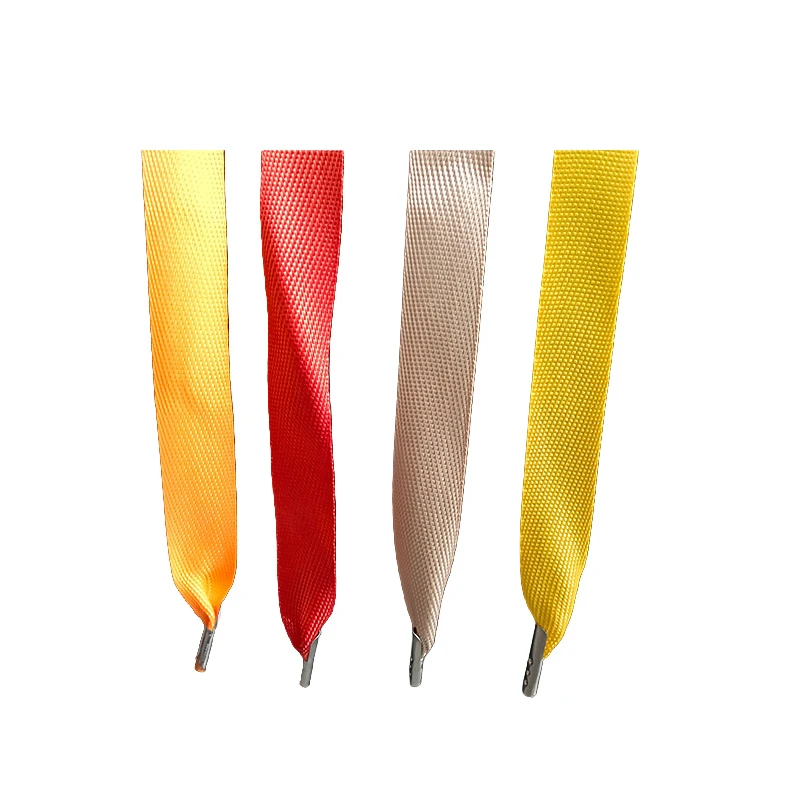
Colored Dense Webbing
Colored dense webbing adds a touch of style while still providing the functionality of regular dense webbing. But when it comes to saltwater, the colorants used in the webbing can be a factor. Some dyes might be more prone to fading or leaching in saltwater.
If the colorant is not properly fixed to the fibers, it can come off when exposed to the water. This not only affects the appearance of the webbing but could also potentially cause some discoloration of the surrounding area. We offer a range of Colored Dense Webbing that's been tested to have good colorfastness, but it's still important to be aware of these potential issues.
Real - World Testing and Results
We've done a bunch of real - world testing to see how our dense webbing performs in saltwater. We submerged samples of our different types of webbing in saltwater for extended periods and observed the changes.
For the nylon webbing, after a few weeks in saltwater, we noticed a slight increase in weight due to water absorption. The surface of the webbing also started to feel a bit rougher, indicating some abrasion. However, the strength of the webbing didn't drop significantly in the short - term.
The polyester webbing, on the other hand, showed almost no signs of water absorption. The surface remained smooth, and there was no visible damage or change in strength. The colored webbing held up well in terms of color, but we did notice a very slight fade in some of the lighter colors after a long time in the water.
Protecting Your Dense Webbing in Saltwater
If you're using dense webbing in a saltwater environment, there are a few things you can do to protect it. First, rinse the webbing with fresh water after each use in saltwater. This helps to remove the salt and prevent the formation of salt crystals.
You can also apply a protective coating to the webbing. There are special coatings available that can help to repel water and reduce abrasion. Just make sure the coating is compatible with the type of webbing you have.
Another important thing is to store the webbing properly. Keep it dry and away from direct sunlight when it's not in use. This can help to extend its lifespan and keep it in good condition.
Conclusion and Call to Action
In conclusion, the reaction of dense webbing to saltwater depends on the material it's made of. Nylon has some strengths but also some drawbacks, while polyester is generally more resistant to the effects of saltwater. Colored webbing can add a nice touch, but you need to be aware of potential color issues.
If you're in the market for dense webbing, whether for marine applications or something else, we've got you covered. We offer a wide range of high - quality dense webbing products, and we're more than happy to answer any questions you might have. Reach out to us to discuss your specific needs and let's work together to find the perfect webbing solution for you.
References
- Marine Textile Handbook: A Guide to Fabrics and Their Applications in the Maritime Industry
- Textile Science and Technology: Principles and Applications
- Research studies on the effects of saltwater on synthetic fibers