

Is dense webbing suitable for making belts?
As a supplier of dense webbing, I've had numerous inquiries from customers interested in using our products for belt - making. This has led me to explore the question: Is dense webbing suitable for making belts? In this blog, I'll delve into the characteristics of dense webbing, its advantages and disadvantages for belt production, and provide some insights to help you make an informed decision.
Characteristics of Dense Webbing
Dense webbing is a type of fabric that is woven tightly, resulting in a strong and durable material. It is commonly made from materials such as nylon, polyester, or a combination of both.
Nylon dense webbing, like the one you can find here, is known for its high strength - to - weight ratio. Nylon is a synthetic polymer that offers excellent abrasion resistance, making it suitable for applications where the belt will be subject to friction. It can withstand heavy loads and is less likely to tear or fray compared to other materials.
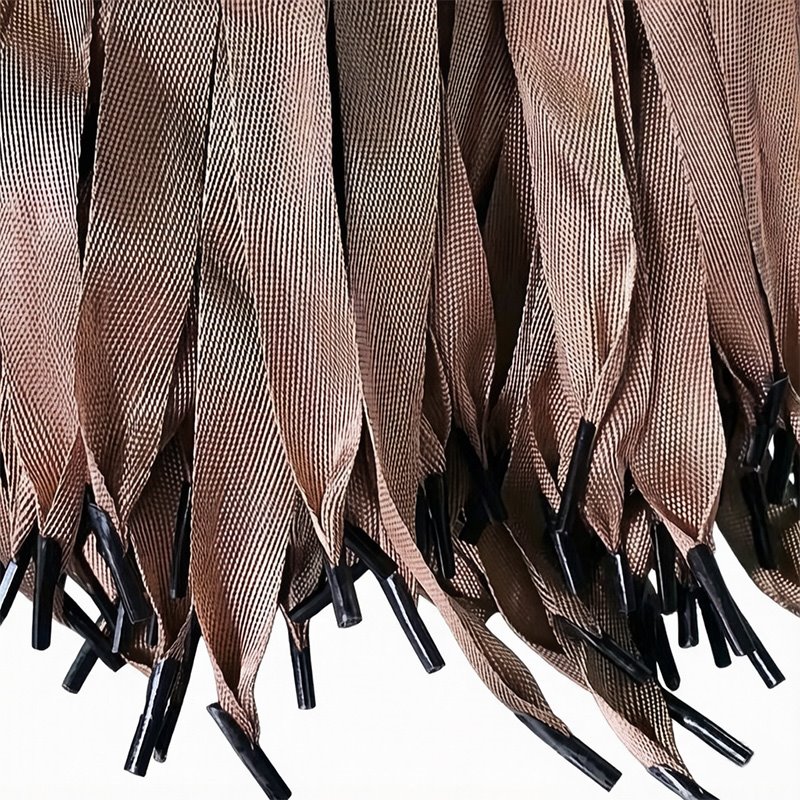
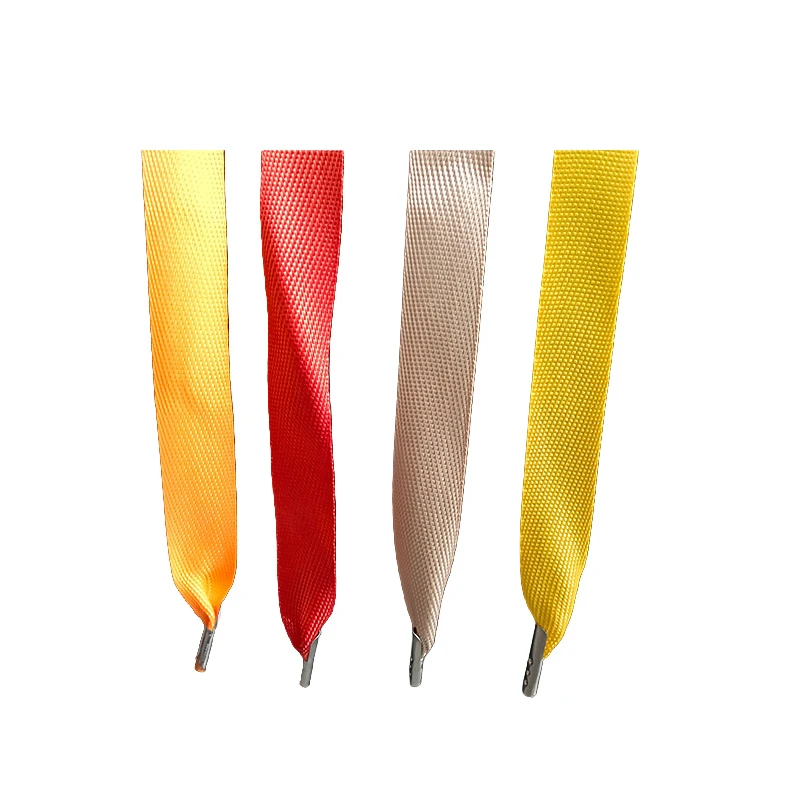
Colored dense webbing, available at this link, provides an aesthetic advantage. It comes in a wide range of colors, allowing for customization and the creation of belts that are not only functional but also visually appealing. This is particularly useful for fashion belts or belts used in industries where branding and color - coding are important.
Polyester tight weave webbing, as seen here, is another popular option. Polyester is resistant to moisture, mildew, and UV rays. This makes it a great choice for outdoor applications, as the belt will not be easily damaged by environmental factors. It also has good dimensional stability, meaning it will not stretch or shrink significantly over time.
Advantages of Using Dense Webbing for Belts
Durability
One of the main advantages of using dense webbing for belts is its durability. The tight weave of the webbing makes it resistant to wear and tear. Whether it's a work belt that will be used in a rough industrial environment or a fashion belt that will be worn daily, dense webbing can withstand the rigors of use. For example, in construction or manufacturing industries, belts made from dense webbing can support tools and equipment without breaking or fraying.
Strength
Dense webbing offers high strength. It can hold up well under tension, making it suitable for belts that need to bear a certain amount of weight. This is crucial for applications such as weightlifting belts or belts used in outdoor activities like rock climbing. The strong webbing ensures the safety and reliability of the belt.
Customization
As mentioned earlier, dense webbing comes in a variety of colors and can be easily customized. You can choose the color that matches your brand or personal style. Additionally, it can be cut to different lengths and widths to meet specific requirements. This flexibility allows for the creation of unique and personalized belts.
Cost - effectiveness
Compared to some other materials used for belt - making, such as leather, dense webbing is often more cost - effective. It provides similar levels of durability and strength at a lower price point. This makes it an attractive option for businesses looking to produce belts in large quantities or for consumers on a budget.
Disadvantages of Using Dense Webbing for Belts
Lack of Breathability
One of the drawbacks of dense webbing is its relatively low breathability. Since the webbing is woven tightly, air circulation is restricted. This can cause discomfort, especially when wearing the belt for long periods of time, as it may lead to sweating and skin irritation. For example, in hot and humid climates, a belt made of dense webbing may not be the most comfortable option.
Limited Aesthetic Appeal in Some Cases
While colored dense webbing can be visually appealing, in some high - end fashion applications, it may not have the same luxurious look as materials like leather. Leather has a unique texture and appearance that is often associated with quality and style. Dense webbing, on the other hand, may look more utilitarian in certain settings.
Stiffness
New dense webbing belts can be quite stiff. This stiffness may make the belt uncomfortable to wear initially, and it may take some time for the belt to break in and become more flexible. This can be a deterrent for some consumers who expect a soft and pliable belt right out of the box.
Applications Where Dense Webbing Belts Shine
Industrial and Work Belts
In industrial settings, dense webbing belts are highly suitable. They can be used to hold tools, safety equipment, or to support workers' bodies during physical tasks. The durability and strength of the webbing ensure that the belt can withstand the demands of the job. For example, in mining or construction, workers rely on belts made of dense webbing to carry essential tools and stay safe.
Outdoor Activity Belts
For outdoor enthusiasts, dense webbing belts are a great choice. Whether it's hiking, camping, or rock climbing, the belt needs to be strong and reliable. The resistance to moisture and abrasion of materials like polyester dense webbing makes it ideal for these activities. It can also be customized with features such as loops for attaching gear.
Fashion and Costume Belts
In the fashion industry, dense webbing belts can be used to create unique and trendy looks. The wide range of colors available allows designers to experiment and create belts that match different outfits. They are also popular for costume belts, as they can be easily customized to fit the theme of the costume.
Conclusion
In conclusion, dense webbing is a suitable material for making belts in many cases. Its durability, strength, and customization options make it a popular choice for a variety of applications, from industrial work to fashion. However, it also has some limitations, such as lack of breathability and stiffness. When considering using dense webbing for belt - making, it's important to weigh the advantages and disadvantages based on your specific needs.
If you're interested in using our dense webbing for belt production, we'd be more than happy to discuss your requirements. We offer a wide range of dense webbing products, including Nylon Dense Webbing, Colored Dense Webbing, and Polyester Tight Weave Webbing. Contact us to start a procurement discussion and see how our products can meet your belt - making needs.
References
- Textile Handbook: Properties, Testing and Processing of Textile Fibres, by R. S. Blackburn
- The Science of Synthetic Fibers, by W. E. Morton and J. W. S. Hearle