

What is the electrical conductivity of colored twill webbing?
As a supplier of Colored Twill Webbing, I often encounter questions from customers about the various properties of our products. One particularly interesting query is about the electrical conductivity of colored twill webbing. In this blog, I will delve into this topic, exploring the factors that influence the electrical conductivity of colored twill webbing and its implications in different applications.
Understanding Colored Twill Webbing
Colored twill webbing is a type of woven fabric characterized by its diagonal ribbing pattern, known as the twill weave. It is widely used in a variety of industries, including fashion, packaging, and automotive, due to its durability, flexibility, and aesthetic appeal. Colored Twill Webbing comes in a range of colors and materials, such as polyester and nylon, each with its own unique properties.
Factors Affecting Electrical Conductivity
The electrical conductivity of colored twill webbing is primarily determined by the material it is made of. Different materials have different electrical properties, which can significantly affect the conductivity of the webbing.
- Polyester Twill Webbing: Polyester is a synthetic polymer that is known for its high strength, durability, and resistance to moisture and chemicals. However, polyester is also a poor conductor of electricity. This means that Polyester Twill Webbing has low electrical conductivity, making it suitable for applications where electrical insulation is required.
- Nylon Twill Webbing: Nylon is another synthetic polymer that is widely used in the production of twill webbing. Nylon is known for its high strength, elasticity, and abrasion resistance. Compared to polyester, nylon has slightly higher electrical conductivity. However, it is still considered a poor conductor of electricity. Nylon Twill Webbing is often used in applications where a combination of strength and flexibility is required.
- Additives and Treatments: In some cases, additives or treatments can be applied to colored twill webbing to enhance its electrical conductivity. For example, conductive fibers or coatings can be added to the webbing to make it more conductive. These additives can be used to create webbing that is suitable for applications where electrical conductivity is required, such as in the electronics industry.
Applications of Colored Twill Webbing Based on Electrical Conductivity
The electrical conductivity of colored twill webbing plays a crucial role in determining its suitability for different applications. Here are some examples of how the electrical conductivity of colored twill webbing is used in various industries:

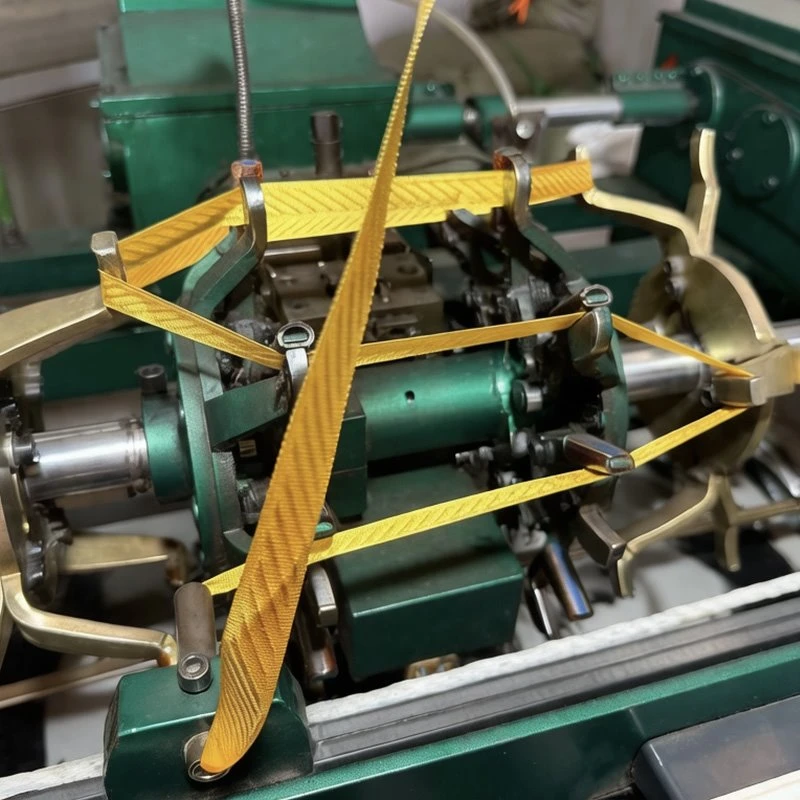
- Packaging Industry: In the packaging industry, colored twill webbing is often used for gift bags and other packaging applications. Twill Webbing for Gift Bags typically has low electrical conductivity, which is desirable to prevent static electricity from building up and damaging the contents of the package.
- Fashion Industry: In the fashion industry, colored twill webbing is used for a variety of purposes, such as belts, straps, and trimmings. The low electrical conductivity of the webbing is not usually a concern in these applications, as the focus is on aesthetics and durability.
- Electronics Industry: In the electronics industry, colored twill webbing with high electrical conductivity may be used for applications such as grounding straps, cable management, and electromagnetic shielding. Conductive webbing can help to prevent the buildup of static electricity and protect electronic components from damage.
Measuring Electrical Conductivity
The electrical conductivity of colored twill webbing can be measured using a variety of methods. One common method is to use a conductivity meter, which measures the resistance of the webbing to the flow of electricity. The conductivity of the webbing is then calculated based on the measured resistance.
It is important to note that the electrical conductivity of colored twill webbing can vary depending on a number of factors, such as the material, the weave pattern, and the presence of additives or treatments. Therefore, it is recommended to test the electrical conductivity of the webbing before using it in a specific application.
Conclusion
In conclusion, the electrical conductivity of colored twill webbing is primarily determined by the material it is made of. Polyester and nylon twill webbing are generally poor conductors of electricity, making them suitable for applications where electrical insulation is required. However, additives or treatments can be applied to the webbing to enhance its electrical conductivity, making it suitable for applications where electrical conductivity is required.
As a supplier of Colored Twill Webbing, we offer a wide range of products with different electrical conductivity properties to meet the needs of our customers. If you are interested in learning more about our products or have any questions about the electrical conductivity of colored twill webbing, please feel free to contact us. We would be happy to assist you with your procurement needs and provide you with the information you need to make an informed decision.
References
- "Textile Science and Technology: Fibers, Yarns, Fabrics, and Nonwovens" by Mohamed M. El-Shafei
- "Polymer Science: A Comprehensive Reference" edited by Stephen Z. D. Cheng
- "Nylon: Properties, Processing, and Applications" by S. K. De