

As a supplier of Round Plastic Handles, I'm often asked about the materials used in making these versatile products. In this blog post, I'll delve into the various materials that go into manufacturing round plastic handles, their properties, advantages, and applications.
1. Polypropylene (PP)
Polypropylene is one of the most commonly used materials for making round plastic handles. It is a thermoplastic polymer that offers a wide range of benefits.
Properties:
- Lightweight: PP is known for its low density, which makes the handles easy to carry, especially when used on packages or containers. This is particularly important for end - users who need to transport items frequently.
- Chemical Resistance: It has excellent resistance to many chemicals, including acids, alkalis, and solvents. This property ensures that the handles can be used in various industrial and household settings without being damaged by contact with different substances.
- High Tensile Strength: Despite its lightweight nature, polypropylene has a relatively high tensile strength. This means that the handles can withstand a reasonable amount of pulling and stretching forces without breaking or deforming easily.
Advantages:
- Cost - effective: Polypropylene is a relatively inexpensive material, especially when compared to some other plastics. This makes it an attractive option for manufacturers looking to produce round plastic handles at a competitive price point.
- Ease of Processing: It can be easily molded into different shapes and sizes. Injection molding, which is a common manufacturing process for plastic handles, works well with polypropylene. This allows for the mass production of round plastic handles with consistent quality.
Applications:
- PP round plastic handles are widely used in the packaging industry. They can be found on cardboard boxes, plastic containers, and even some fabric bags. For example, a large - scale e - commerce company might use boxes with PP round plastic handles to make it easier for customers to carry their purchases.
You can check out our Round Plastic Handles made of polypropylene for robust and cost - effective solutions.
2. High - Density Polyethylene (HDPE)
High - density polyethylene is another popular choice for manufacturing round plastic handles.
Properties:
- Durability: HDPE is a very tough and durable material. It has a higher density compared to polypropylene, which gives it better resistance to wear and tear. Handles made from HDPE can withstand heavy use and rough handling.
- Weather Resistance: This plastic is highly resistant to the effects of weather, including UV radiation and moisture. It won't crack or deteriorate easily when exposed to outdoor conditions, making it suitable for a variety of applications where the handles may be in contact with the elements.
- Stiffness: HDPE provides a certain level of stiffness, which is important for maintaining the shape of the handle. It won't bend or sag under normal loads, ensuring a reliable grip for the user.
Advantages:
- Recyclability: HDPE is a recyclable material, which is an important consideration in today's environmentally - conscious world. Using HDPE round plastic handles shows a commitment to sustainability.
- Versatility: It can be used in a wide range of industries, from agriculture to construction. The material can be easily customized with different colors and additives to meet specific requirements.
Applications:
- In the agricultural sector, HDPE round plastic handles are often used on equipment such as fertilizer bags or gardening tools. In construction, they can be found on buckets and small storage containers.
3. Polycarbonate (PC)
Polycarbonate is a high - performance plastic that offers unique properties for round plastic handles.
Properties:
- Transparency: One of the most notable features of polycarbonate is its transparency. Handles made from PC can be clear, allowing for a unique aesthetic appeal. This is particularly useful in applications where the contents of the container need to be visible.
- High Impact Resistance: Polycarbonate has outstanding impact resistance, much higher than many other plastics. Handles made from this material can withstand significant impacts without shattering, providing a high level of safety.
- Heat Resistance: It has good heat resistance properties, which means that the handles can be used in applications where they may be exposed to elevated temperatures without deforming.
Advantages:
- Aesthetic Appeal: The clear and transparent nature of polycarbonate gives products a modern and high - end look. This can be a significant advantage in the consumer market, where appearance often plays a crucial role in purchasing decisions.
- Long - term Performance: Due to its excellent properties, polycarbonate handles have a long service life. This reduces the need for frequent replacements, saving both time and money in the long run.
Applications:
- Polycarbonate round plastic handles are commonly used in high - end consumer products, such as luxury food containers or high - tech electronic device cases. They are also used in some medical equipment where transparency and impact resistance are essential.
4. Acrylonitrile Butadiene Styrene (ABS)
ABS is a widely used engineering plastic that combines the properties of acrylonitrile, butadiene, and styrene.
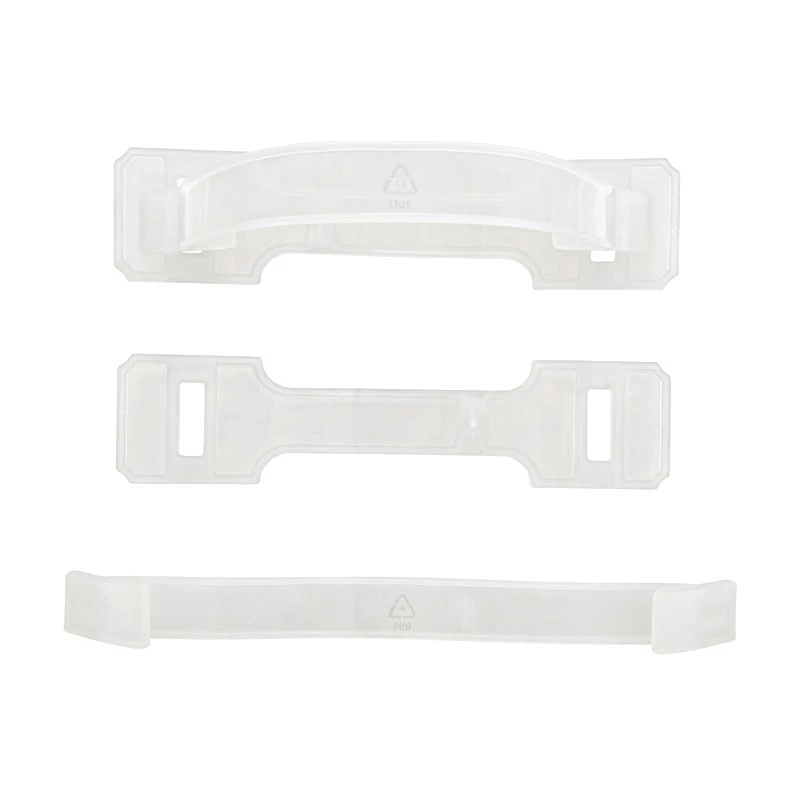
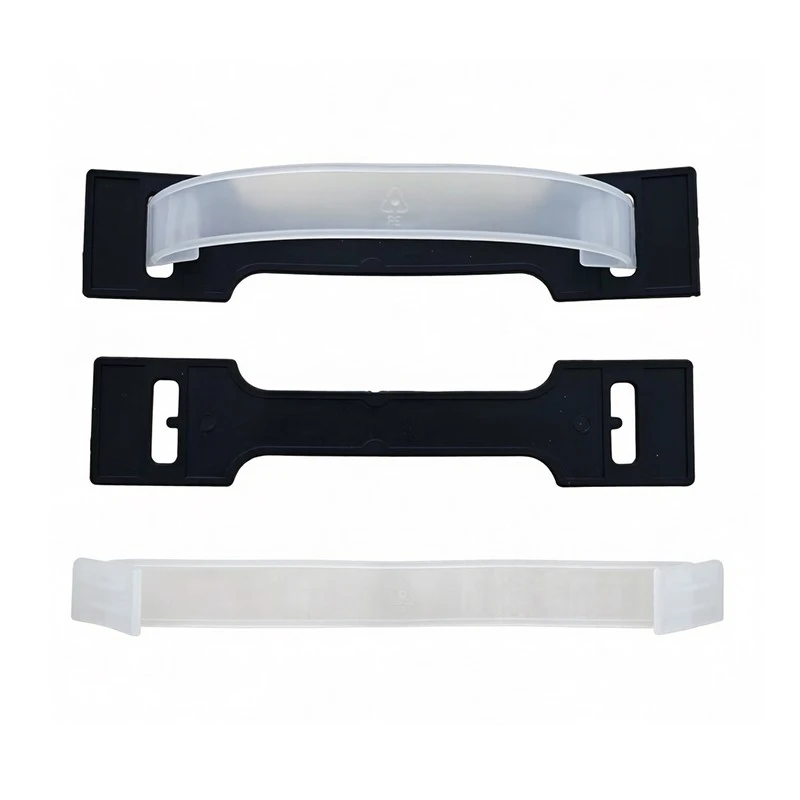
Properties:
- Good Mechanical Properties: ABS has a good balance of strength, stiffness, and toughness. This makes it suitable for handles that need to withstand a certain amount of stress and strain.
- Surface Finish: It can be easily molded into smooth and glossy surfaces, which gives the handles an attractive appearance. The smooth surface also makes the handles comfortable to hold.
- Paintability and Plating: ABS can be painted or plated easily, allowing for a wide range of color options and surface treatments. This gives manufacturers greater flexibility in designing the handles to match the overall product aesthetic.
Advantages:
- Design Flexibility: The combination of its mechanical properties and ease of processing allows for complex handle designs. Manufacturers can create handles with unique shapes and features to meet specific product requirements.
- Cost - performance Ratio: ABS offers a good balance between cost and performance. It is more affordable than some high - end plastics while still providing satisfactory mechanical and aesthetic properties.
Applications:
- ABS round plastic handles are commonly used in automotive interiors, appliances, and consumer electronics. For example, you might find them on the doors of a refrigerator or the control panels of a gaming console.
Comparison with Square Plastic Handles
While round plastic handles have their own advantages, such as a more comfortable grip for some users, square plastic handles also have their place in the market. Square handles can provide a more stable and secure grip in some applications, especially when the user needs to apply a lot of force. If you're interested in exploring square options, you can check out our Square Plastic Handles.
Conclusion
The choice of material for making round plastic handles depends on the specific requirements of the application, including factors such as strength, durability, aesthetics, and cost. As a supplier of Round Plastic Handles, we offer a wide range of options made from different materials to meet the diverse needs of our customers.
Whether you're in the packaging, consumer goods, industrial, or any other sector, we have the expertise and products to provide you with high - quality round plastic handles. If you're interested in discussing your handle requirements or starting a procurement process, we'd be more than happy to have a conversation with you. Reach out to us to start the negotiation and find the perfect solution for your business.
References
- "Handbook of Plastic Materials and Technology" by Irvin Rubin.
- "Polymer Science and Technology" by Donald R. Paul and Christopher B. Bucknall.