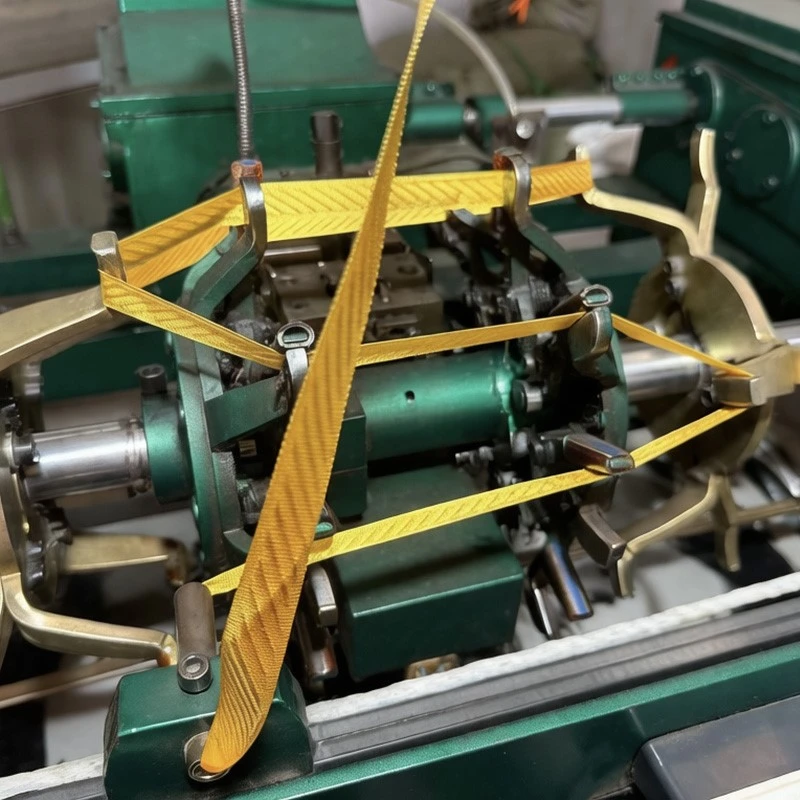
As the packaging industry continues to develop toward greater refinement and personalization, twill webbing is becoming an important material in gift packaging, apparel accessories, brand packaging, and lifestyle decoration. Featuring a distinctive diagonal texture, excellent durability, and strong decorative appeal, twill webbing provides both functional performance and visual enhancement. Proper use of twill webbing can maximize its advantages and improve packaging quality and user experience.
Selecting the right twill webbing specifications is the first step toward achieving the best results. Factors such as width, thickness, material, and load capacity directly influence performance. For gift box packaging, softer and more colorful twill webbing can create an elegant and refined appearance. For shopping bags or packaging products requiring stronger support, webbing with higher density and tensile strength should be selected to ensure safety and stability during use.
Color coordination is another important technique for enhancing the decorative effect of twill webbing. Because of its unique diagonal texture, twill webbing naturally creates visual depth and can be used to strengthen packaging design. Simple packaging styles often benefit from natural-colored webbing that highlights an eco-friendly and understated look, while premium gift packaging may use metallic tones, dark colors, or glossy finishes to create a more luxurious appearance. The webbing color should complement the main packaging design to achieve a balanced visual effect.
Proper tying and fastening methods are essential for improving packaging stability. Twill webbing offers good flexibility and can be shaped into bows, crossed patterns, or wrapped designs for decorative purposes. During use, the tightening force should be carefully controlled to prevent deformation caused by excessive tension or poor appearance caused by loose fastening. For packaging products requiring long-term use, connection points should be reinforced through stitching, adhesive methods, or specialized fasteners.
Twill webbing is also increasingly used in creative design applications. Designers can use its distinctive texture to create decorative edges, brand connection elements, handmade accessories, and home decoration features. By combining different widths, materials, and manufacturing techniques, unique packaging styles can be created to improve product recognition and visual appeal.
Proper maintenance methods can help extend the service life of twill webbing. Natural fiber webbing should be kept away from prolonged moisture exposure and stored in a dry environment. Synthetic fiber webbing should be protected from sharp objects and excessive friction to maintain its appearance and performance.
Industry experts believe that future twill webbing development will focus on material innovation, sustainable design, and advanced manufacturing technologies. Through appropriate material selection, effective application techniques, and creative design solutions, twill webbing will continue to provide greater value in packaging, visual design, and everyday applications.