

Square plastic handles are a staple in various industries, from packaging to furniture. As a dedicated supplier of Square Plastic Handles, I've witnessed firsthand the importance of these handles in daily applications. One critical aspect that often comes under scrutiny is their ability to withstand UV rays. In this blog, we'll explore how square plastic handles hold up against UV rays, delving into the science, real - world performance, and factors that influence their durability.
The Science Behind Plastic and UV Rays
Plastic is a polymer, a large molecule made up of repeating subunits. When exposed to UV rays, which are a part of the electromagnetic spectrum emitted by the sun, plastics can undergo a process called photodegradation. UV rays have enough energy to break the chemical bonds in polymers. This process can cause the plastic to become brittle, change color, lose its strength, and develop cracks over time.
Square plastic handles are typically made from different types of plastics, such as polyethylene (PE), polypropylene (PP), or polyvinyl chloride (PVC). Each of these plastics has a different molecular structure, which affects how they react to UV rays.
- Polyethylene (PE): It is a widely used plastic due to its low cost, flexibility, and chemical resistance. However, PE is relatively susceptible to UV degradation. When PE square plastic handles are exposed to UV rays, the long - chain polymer molecules can break down into smaller fragments. This results in a loss of mechanical properties, such as reduced tensile strength and increased brittleness.
- Polypropylene (PP): PP is known for its high strength - to - weight ratio and good resistance to chemicals. But like PE, it is also vulnerable to UV radiation. The presence of tertiary carbon atoms in the PP structure makes it more likely to react with oxygen and free radicals generated by UV rays, leading to chain scission and degradation.
- Polyvinyl Chloride (PVC): PVC is a rigid plastic in its unplasticized form and flexible when plasticizers are added. PVC can degrade under UV exposure, primarily due to the release of chlorine atoms. This can lead to color changes, surface cracking, and a decrease in the plastic's overall integrity.
Real - World Performance of Square Plastic Handles Against UV Rays
In the real world, the performance of square plastic handles against UV rays depends on several factors, including the environment they are exposed to and the duration of exposure.
For instance, in outdoor applications such as garden furniture or outdoor storage containers, square plastic handles are constantly bombarded by UV rays. If the plastic is not properly formulated to resist UV degradation, the handles may start to show signs of damage within a few months. The color may fade, and the surface may become rough or pitted.
On the other hand, in indoor applications where the exposure to UV rays is significantly reduced, square plastic handles can last much longer. If they are used in a well - lit but UV - protected indoor space, such as a warehouse or a domestic living area, the effects of UV rays may be negligible over a long period.
The intensity of sunlight also plays a crucial role. In regions closer to the equator, the UV index is generally higher, meaning the plastic handles are exposed to more intense UV radiation. In contrast, in areas at higher latitudes, the UV intensity is lower, and the plastic handles may experience less severe degradation.
Factors Affecting the UV Resistance of Square Plastic Handles
- Additives: One of the most effective ways to enhance the UV resistance of square plastic handles is by adding UV stabilizers to the plastic formulation. These stabilizers can absorb or reflect UV rays, preventing them from reaching the polymer chains and causing damage. There are different types of UV stabilizers, such as UV absorbers, which convert UV energy into heat, and hindered amine light stabilizers (HALS), which scavenge free radicals formed during UV exposure.
- Thickness: The thickness of the square plastic handle can also influence its UV resistance. Thicker handles have more material to absorb and dissipate the UV energy. A thicker plastic layer can act as a barrier, reducing the amount of UV radiation that reaches the inner layers of the plastic.
- Color: The color of the plastic handle can have an impact on UV resistance. Dark - colored plastics, especially black, tend to absorb more UV radiation. However, they can also be formulated with better UV - resistant properties. Light - colored plastics may reflect more UV rays, but they can also be more prone to color fading if not properly protected.
Comparing Square Plastic Handles with Round Plastic Handles
When it comes to UV resistance, both square and round plastic handles face similar challenges. However, the shape can influence some aspects of their performance.
Square plastic handles may have more edges and corners compared to round plastic handles. These edges can be more vulnerable to stress cracking caused by UV degradation. The sharp angles can concentrate the stresses that develop as the plastic becomes brittle, making the handle more likely to break at these points.
Round plastic handles, on the other hand, have a more uniform shape, which can distribute the stresses more evenly. This can potentially make them more resistant to cracking under UV exposure. However, the overall UV resistance still depends on the plastic material, additives, and other factors mentioned above.
Ensuring Long - Term UV Resistance in Square Plastic Handles
As a supplier of square plastic handles, we take several steps to ensure that our products have good UV resistance.
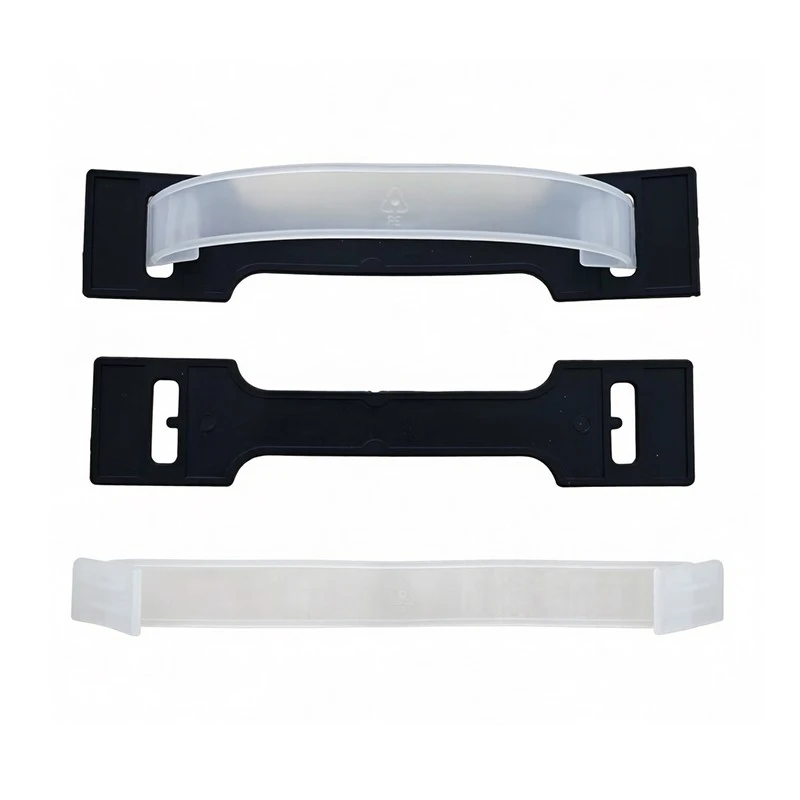
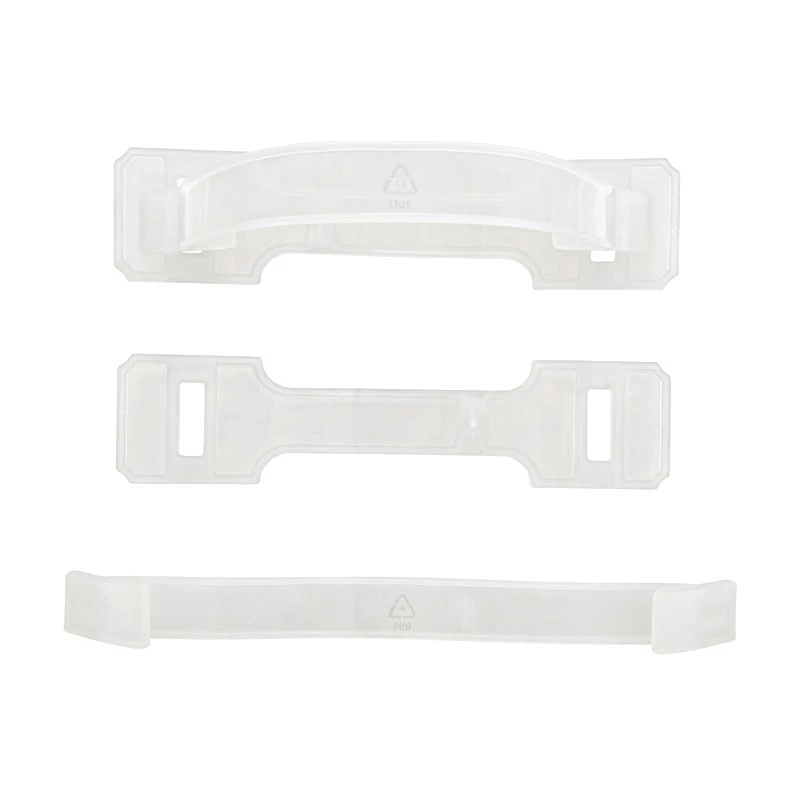
First, we carefully select the plastic materials and additives. We work with high - quality polymers and use advanced UV stabilizers to enhance the handles' ability to withstand UV rays. We conduct extensive testing on our products to ensure that they meet the required UV resistance standards.
Second, we provide clear guidelines to our customers on how to use and maintain the square plastic handles. For outdoor applications, we recommend periodic inspections to check for any signs of UV damage. If the handles start to show signs of degradation, they can be replaced in a timely manner to avoid any safety or functionality issues.
Encouraging Contact for Procurement
If you're in the market for high - quality square plastic handles with excellent UV resistance, I invite you to reach out to us. We have a wide range of square plastic handles to suit different applications and requirements. Whether you need handles for packaging, furniture, or other products, we can provide you with the right solutions. Our team of experts is ready to assist you in selecting the most suitable square plastic handles for your needs. Feel free to start a conversation with us to discuss your procurement requirements and get detailed product information.
References
- "Plastic Degradation and Recycling" by Anil K. Bhowmick and Hong Liang.
- "Polymer Photochemistry" by Nicholas J. Turro.
- Industry reports on plastic material science and UV degradation.