

Adjusting the length of nylon twill webbing is a crucial skill, whether you're a DIY enthusiast, a professional in the industry, or someone who uses nylon twill webbing for various applications. As a supplier of Nylon Twill Webbing, I've encountered numerous customers with questions about how to properly adjust the length of this versatile material. In this blog post, I'll share some useful tips and methods to help you achieve the desired length of nylon twill webbing.
Understanding Nylon Twill Webbing
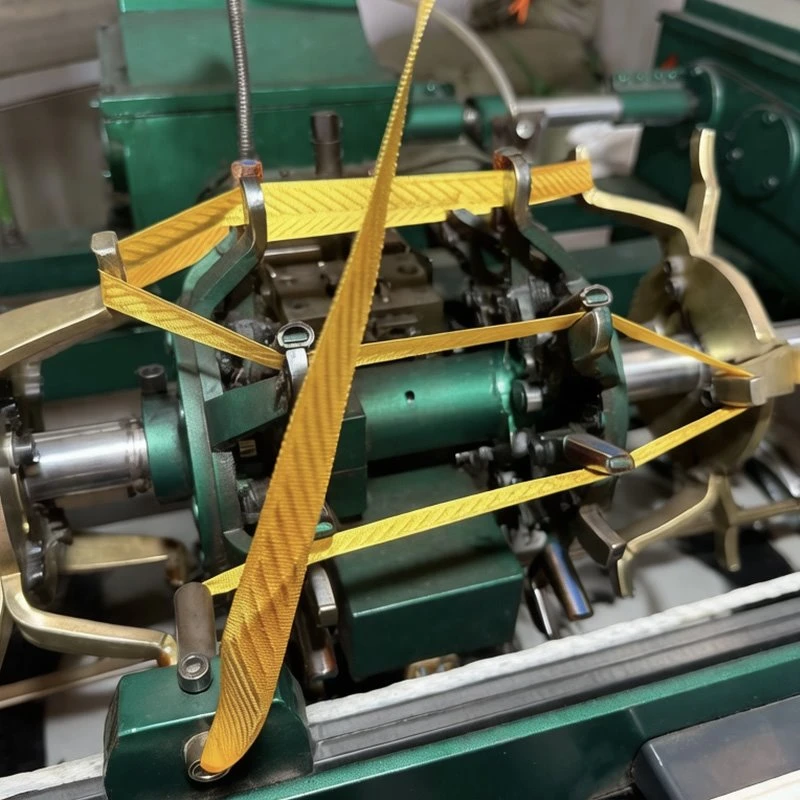
Before we dive into the adjustment methods, let's first understand what nylon twill webbing is. Nylon twill webbing is a type of woven fabric made from nylon fibers. It has a distinctive twill weave pattern, which gives it a diagonal ribbed appearance. This webbing is known for its strength, durability, and resistance to abrasion, making it suitable for a wide range of applications, such as packaging, gift bags, and more. Our company offers various colors and types of Colored Twill Webbing, including Twill Webbing for Gift Bags and Polyester Twill Webbing.
Tools You'll Need
To adjust the length of nylon twill webbing, you'll need a few basic tools:
- Sharp Scissors or a Utility Knife: These are used to cut the webbing to the desired length. Make sure the blades are sharp to ensure a clean cut.
- Heat Source: A lighter or a heat gun can be used to seal the cut edges of the webbing and prevent fraying.
- Measuring Tape or Ruler: This is essential for accurately measuring the length of the webbing you need.
Measuring the Desired Length
The first step in adjusting the length of nylon twill webbing is to measure the exact length you need. This depends on the specific application of the webbing. For example, if you're using it to make a handle for a gift bag, measure the length based on the size of the bag and the desired comfort for the user. Use a measuring tape or a ruler and mark the webbing at the appropriate length. It's always a good idea to measure twice to ensure accuracy.
Cutting the Webbing
Once you've measured and marked the webbing, it's time to cut it. Place the webbing on a flat surface and use sharp scissors or a utility knife to make a clean cut at the marked point. If you're using scissors, make sure to cut in a straight line. For a more precise cut, especially for long lengths of webbing, you can use a straightedge as a guide.
Sealing the Cut Edges
One of the challenges with nylon twill webbing is that the cut edges tend to fray easily. To prevent this, you need to seal the edges. You can use a lighter or a heat gun for this purpose. Hold the cut edge of the webbing close to the flame of the lighter or the heat source of the heat gun. Move the webbing slowly back and forth to evenly melt the nylon fibers. Be careful not to burn the webbing or yourself in the process. Once the edges have melted slightly, they will fuse together, creating a sealed edge that resists fraying.

Other Methods for Adjustment
In some cases, you may not want to cut the webbing but rather adjust its effective length. For example, if you're using the webbing in a situation where it needs to be adjustable, such as a strap, you can use buckles or adjusters. These devices allow you to easily change the length of the webbing without cutting it. Simply thread the webbing through the buckle or adjuster and tighten or loosen it as needed.
Tips for a Professional Finish
- Use a Cutting Mat: When cutting the webbing, place a cutting mat underneath to protect your work surface and ensure a clean cut.
- Practice on Scrap Webbing: If you're new to adjusting nylon twill webbing, it's a good idea to practice on a scrap piece first to get the hang of the cutting and sealing process.
- Be Patient: Sealing the edges takes a bit of practice to get right. Take your time and make sure the edges are properly sealed to prevent fraying.
Applications of Adjusted Nylon Twill Webbing
The adjusted nylon twill webbing can be used in a variety of applications. Here are some common examples:
- Packaging: It can be used as a tie or a handle for packages, providing a secure and attractive way to close and carry items.
- Gift Bags: As mentioned earlier, it's an ideal material for making handles for gift bags. You can choose from different colors to match the theme of the gift.
- Costume and Craft Projects: Nylon twill webbing is often used in costume making and craft projects. You can adjust the length to create straps, belts, or trim for various items.
Contact for Procurement
If you're interested in purchasing high-quality nylon twill webbing for your projects, we're here to help. Our nylon twill webbing is available in a wide range of colors, widths, and strengths to meet your specific needs. Whether you're a small business, a large corporation, or an individual DIYer, we can provide you with the right webbing at a competitive price. Don't hesitate to contact us for more information about our products and to start a procurement discussion.
References
- Textile Manual: A Concise Guide to Fabrics and Garment Manufacturing.