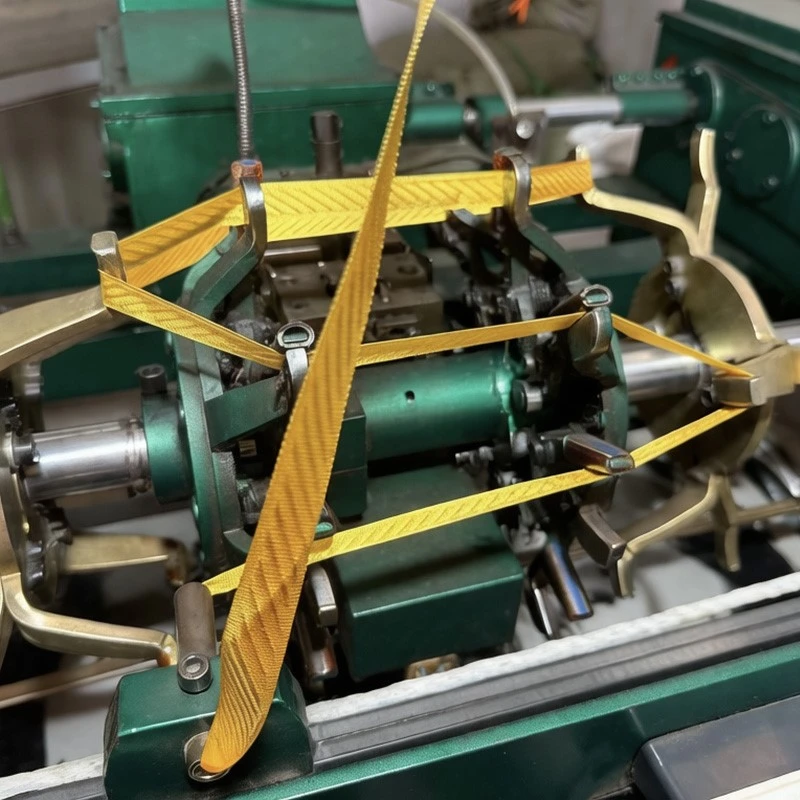
As consumers increasingly focus on quality living, personalized design, and sustainable choices, twill webbing is expanding beyond traditional packaging applications into a wide range of everyday uses. With its distinctive diagonal texture, durability, and decorative appeal, twill webbing has become an important material in home decoration, handmade crafts, fashion accessories, and lifestyle product design, offering more creative possibilities for modern living.
In home decoration, twill webbing is widely used for curtain ties, storage accessories, decorative items, and fabric-based interior designs due to its soft texture and attractive woven pattern. By combining different colors and widths, twill webbing can add visual depth and refined details to everyday products. Compared with ordinary decorative materials, webbing offers flexible processing and easy customization, allowing it to match various interior styles.
Twill webbing also plays an important role in gift packaging and seasonal decorations. Gift boxes, holiday packages, and wedding products often use twill webbing for decoration and fastening. Its unique diagonal texture creates a three-dimensional appearance and enhances the overall presentation of packaged products. Designers can combine different colors, patterns, and materials to create packaging styles that reflect specific occasions or brand identities, improving visual appeal and product value.
With the growing popularity of DIY crafts, twill webbing has become a favorite material among creative enthusiasts. It can be used to make hair accessories, keychains, photo album decorations, flower wrapping, and handmade ornaments. Thanks to its flexibility and easy handling, twill webbing can be shaped, wrapped, woven, and secured in various ways, providing more opportunities for creative expression.
In fashion and personal products, twill webbing also offers significant value. Many clothing, bag, and footwear products use webbing as a decorative or functional element to enhance design quality and product identity. It can also be applied to backpack straps, sports accessories, and customized fashion items, meeting consumer demands for both practicality and appearance.
In recent years, environmentally friendly twill webbing has gained increasing attention. Webbing made from cotton fibers, recycled fibers, and natural materials provides a natural appearance while supporting sustainable consumption trends. More manufacturers are adopting eco-friendly materials and innovative production methods to create sustainable webbing solutions.
Industry experts believe that twill webbing will continue to expand its role in everyday applications. Through improvements in materials, creative design, and functional development, twill webbing will become more integrated into home life, creative industries, and brand design, providing consumers with more attractive, practical, and environmentally responsible lifestyle solutions.